



Day 1: Matsumoto to Tsumago-juku (Train + Cycling)
Start the trip in Matsumoto, home to the impressive Matsumoto Castle. Rather than cycle through a traffic-heavy tunnel to Narai, this route recommends taking the train to Yubuhara Station on the other side of the pass.
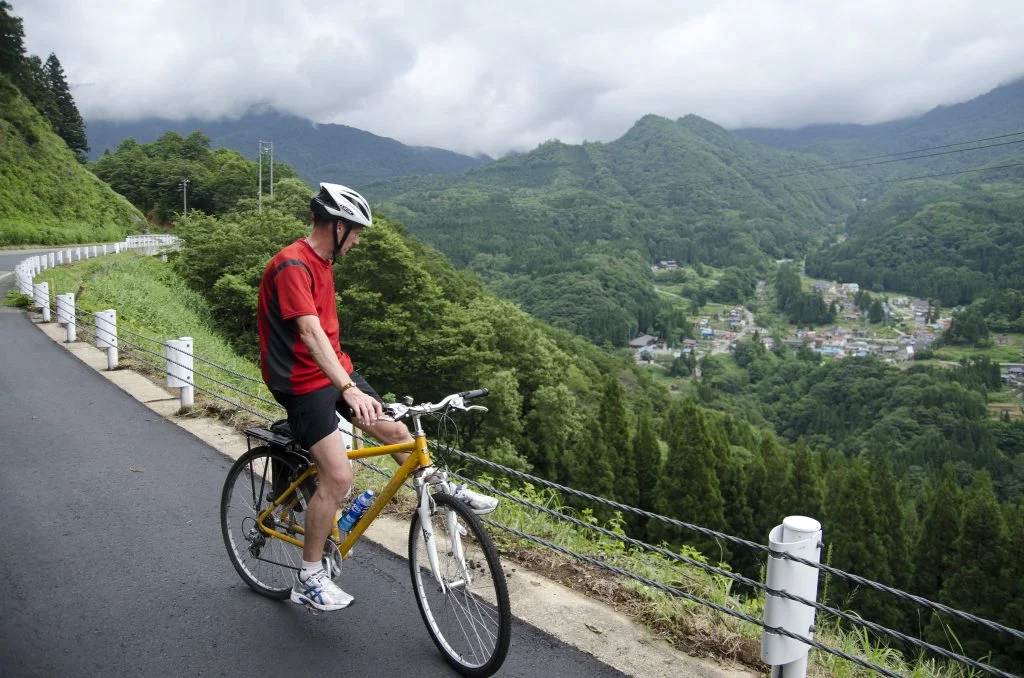
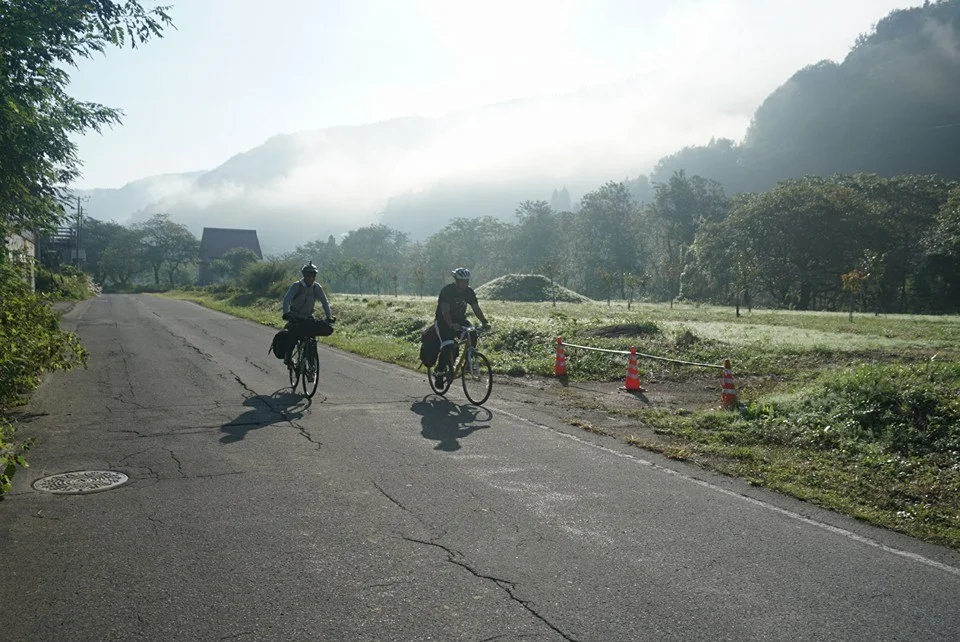
From there, it's a gentle downhill ride through the Kiso Valley, following sections of the Nakasendō. Stop at Kiso Fukushima and the Fukushima Sekisho Museum to learn about Edo-period checkpoints before arriving at Tsumago-juku, one of the best-preserved post towns in Japan.
Spend the night in a local farmhouse inn or rustic guesthouse just outside the town center.
Day 2: Tsumago to Ochiai (Hiking + Short Ride)
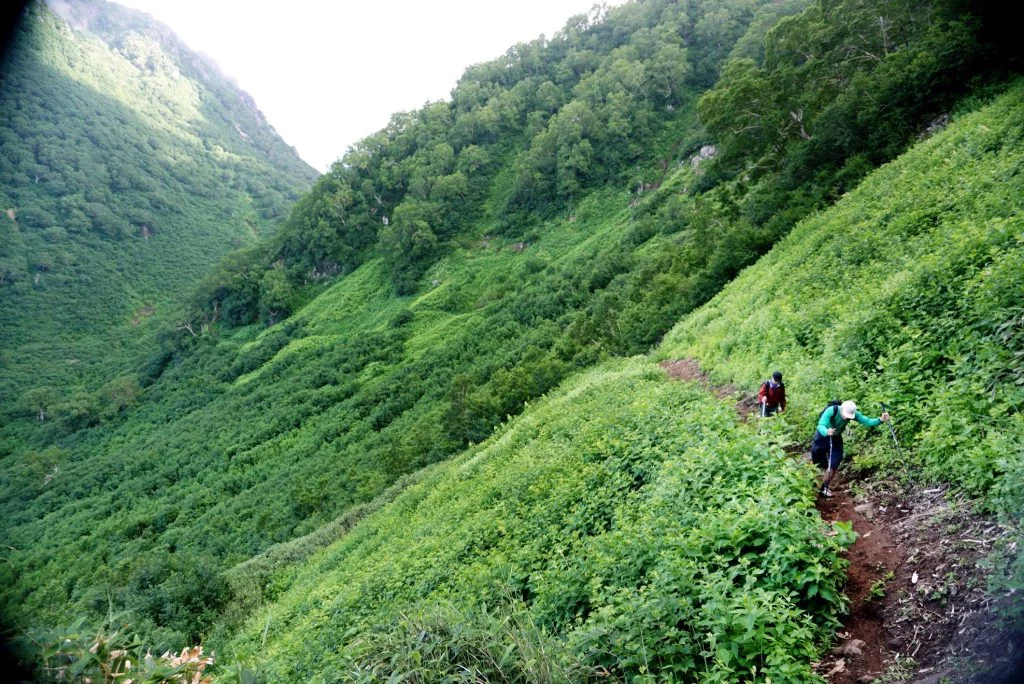
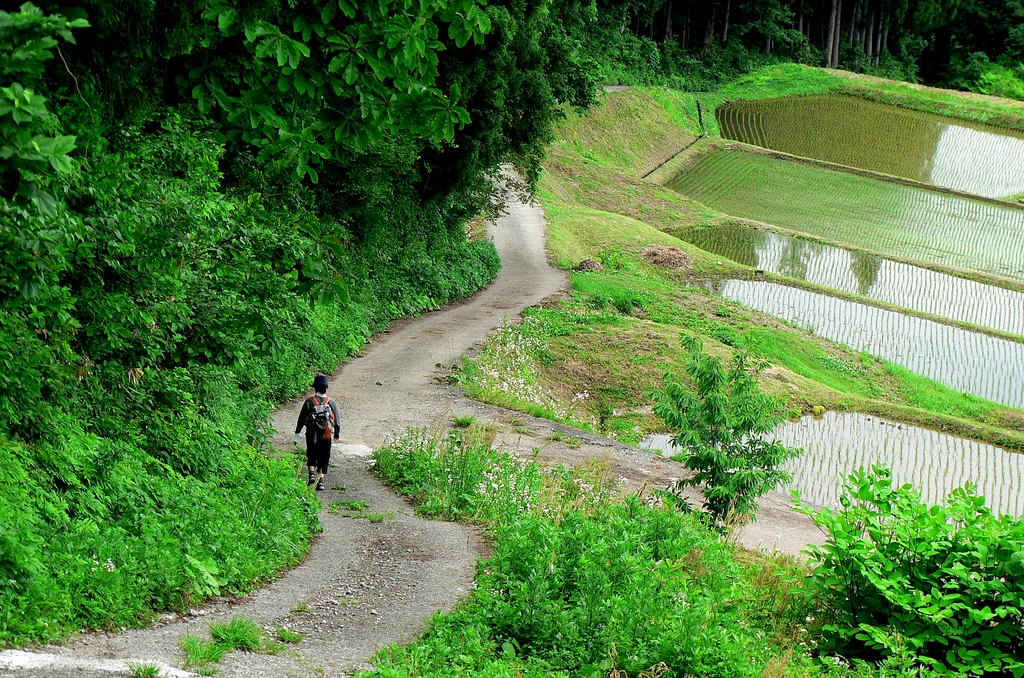
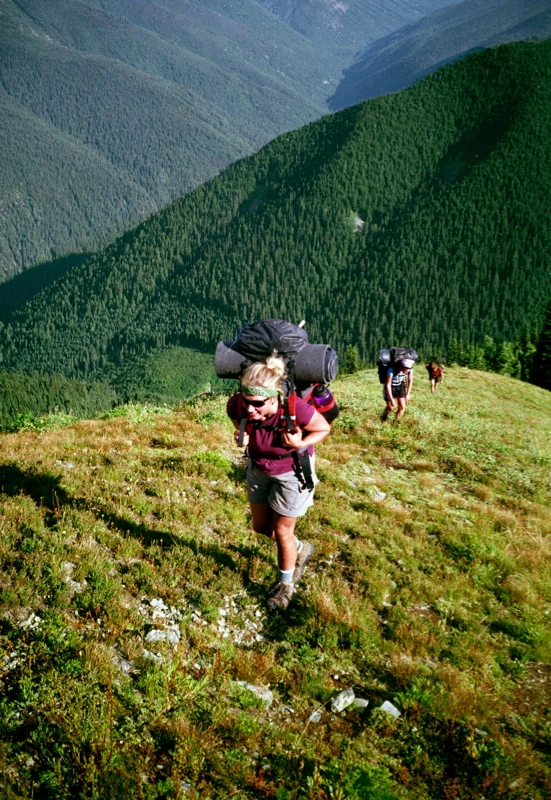
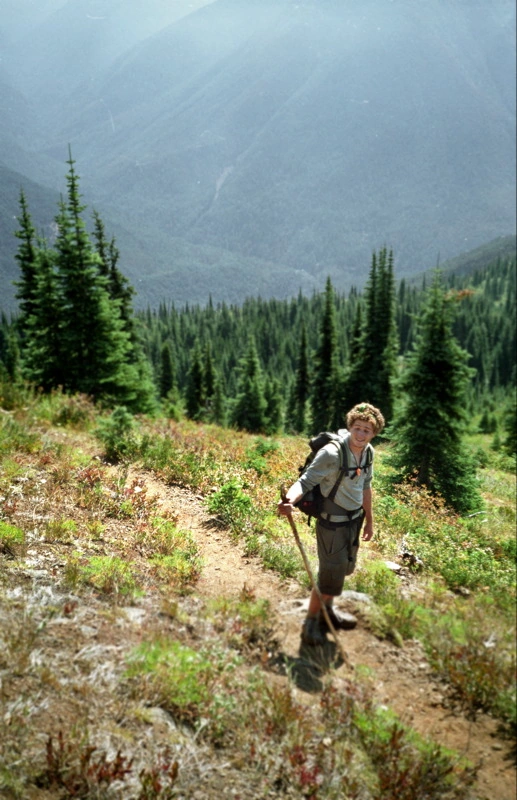
Walk the scenic Nakasendō trail from Tsumago to Magome, one of the most popular and beautiful sections of the entire route. This stretch avoids main roads and passes forest paths, cobblestone lanes, and traditional homes.
Highlights along the way:
- Odaki and Medaki Waterfalls
- The quiet trail over Magome Pass
- The steep merchant-lined street of Magome-juku
Continue walking to Ochiai-juku, where the bikes can be retrieved. Nearby, enjoy a rest and coffee at Cafe Echizenya, a local favorite.
Finish the day with a short ride to Nakatsugawa-juku - a larger town where the old post town feel blends with modern life. Optional visit: the Hiroshige Museum of Art.
Day 3: Lake Biwa to Kyoto (Train + Cycling)
Start the day by taking the train from Nakatsugawa to Maibara, on the edge of Lake Biwa, Japan's largest freshwater lake.
From Maibara, ride a short distance to Hikone Castle, one of the few original castles in Japan and an excellent stop for history lovers.
Continue on bike for about 40 km around the southern edge of Lake Biwa to reach Katata Station, a convenient point to catch a final train into Kyoto. While it's possible to ride all the way in, the city outskirts are less scenic, and the train makes for a smoother arrival.
Overview
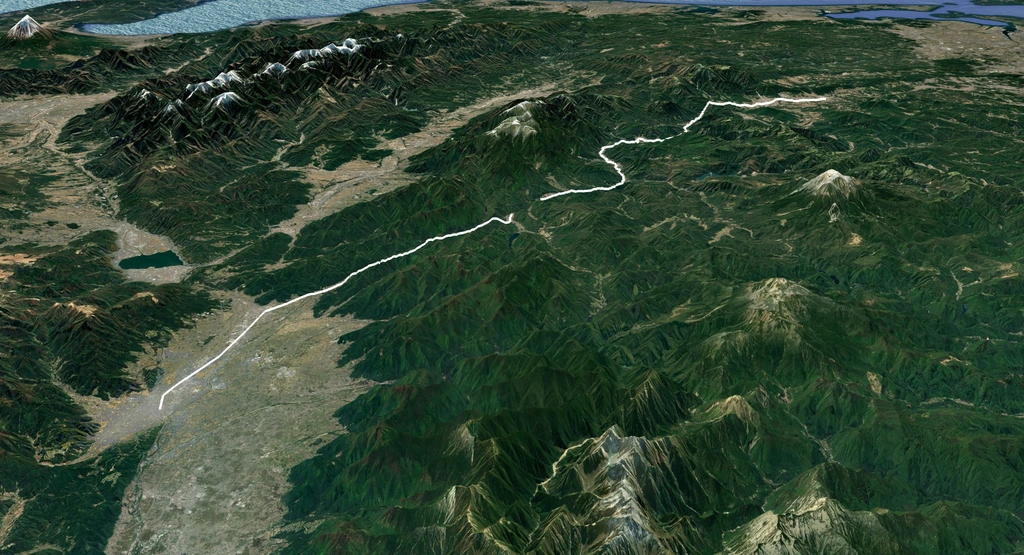
This hybrid route avoids long tunnels and busy roads, instead focusing on the best preserved, most scenic, and most culturally rich segments of the old Nakasendō. Combining trains, hiking, and cycling keeps it manageable while still delivering a deep rural Japan experience - ideal for travelers seeking something beyond the usual city-to-city itinerary.