s

Kyushu to Kyoto by Bike

30 Days Across Japan

If you had a full month, free, with just a bike and pannier, to go anywhere in Japan, where would you go?

This was the terrible dilemma I found myself in when I received a custom trip request from a family of three.

Client Request:
To: [email protected]
Subject: One month in Japan Guided Bike April
We are a family of 3 (Ages: 22, and 55) with experience on long bike packing trips through Europe, Canada, and the US.

We are all fit and can ride long distances and hills. When we travel we also like to see the country, so we usually only do about 80km per day or less.

We usually do ride by ourselves, so are comfortable in strange places, but because of the language barrier, we would like some support in Japan.

We prefer simple but comfortable accommodation. Luxury is not needed unless it is something unique to Japan. We would like more traditional accommodation at least some times but we are not sure if sleeping on the floor is OK for riding so much, so we want to consider that as well.

We have never been to Japan, but we are fine to skip Tokyo unless you think this is a really must-see. We would like to spend a few days in Kyoto at the end.

None of us have food allergies, and we are generally quite open to trying new foods.

As much as I love to prioritize the area we are based, the thought of planning this made my winter. It helped that, given we are under two meters of snow, winter is a relatively slow season, allowing me plenty of time for research, and it would take a lot of time.

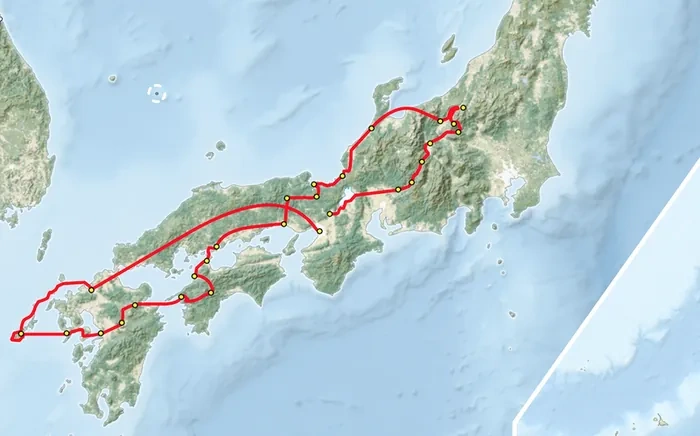
This was before the current tourism boom, and many rural regions didn't yet have websites showcasing their highlights, so the first step was to create a general, realistic, rough route - something doable with as little public transport as possible, but also covering enough ground to make it an expedition.

The hardest part was cutting out the places I really wanted to share but that were just too far away to make it realistic. This included the southernmost parts of Kyushu, as well as much of Shikoku. Shikoku and Kyshushu could both easily be a month long trip on their own, but we had to make sure to cover ground.

Fukuoka would be an obvious start, but it still felt a bit "on the beaten path", plus I personally really liked the Goto Islands and wanted antoher excuse to go back, so I made that the start, and would work our way back toward Kyoto.

The next order of business was to contact each of the local tourism offices for the prefectures and major cities along the way, requesting a copy of all the pamphlets they give out at their tourist desks, which would begin trickling in via snail mail over the next week.

Pro tip: even now, with so much online, paper pamphlets are incredibly helpful for planning. Bookmarking in the browser works for quickly retreiving informaiton, but pretty soon it's just a long list of forgotten links.

A paper map with post-its or clippings, a sort of scrap-book approach, gives me a visual anchor and tactile connection, helping me to zoom out and remember what's where, and what caught my eye. Especially on a trip covering this much ground, it helped to see everything at once so I could make sure most of the must-see or must-do experiences were included somewhere.

Going through the pamphlets gave me a strong base to work from. I started building a rough itinerary and sending ideas to the client who mostly left it up to me, with the occasional "no, I don't think we're interested in that," which was great. Lots of freedom, but helped narrow things down.

Having that visual layout also took the pressure off trying to include everything in every place. For example, we were going to pass multiple castles so when it looked as if there was a chance we wouldn't make it to Matsuyama Castle, we knew there would be others so ther was no pressire to try to force it into the itinerary.

Pro tip: Don't get too hung up on specific places or famous sites - plan based on what you hope to get out of the site. If the goal is a certain feeling or experience, rather than a name to check off a list, it opens a lot of felxibility when you realize you can get an equal experience in another place, even if the name is less known.

Once I had the general direction mapped out and a sense of the areas we'd ride through, I did a very loose check for accommodation options. I was not looking to book, but rather getting an idea of what areas had higher concentration of inns, as well as looking for any special places that realyl jumped out and I may want to book in advance.

I also was looking to see if any of the areas we might find ourselves in for a night were having any special festivals or anything that would cause hotels to fill up well in advance. Either we would want to book so that we could enjoy the festival, or else we would want to avoid that area at the end of a day - assuring we would not have to sleep on a park bench.

It turned out there were only a few places where I booked ahead. These were places where that accommodation was more than just a bed for the night, but also was part of the experience I wanted to share. They were also spread out enough that as long as we hit those few spots on the reserved days, the rest of the trip in between was super flexible - which came in handy when we decided to take a break, wait out the weather, or just stay put a little longer someplace we found more interesting than expected.

The overview also helped me map out "escape routes" - places where we could jump on a train o save time or escape bad weather (or just rest) without missing too much if needed. We were not always going to be near a train line, but I had a good idea were would be able to slow down, and use a train later to get back up to speed if needed.

On the tirp, each night we would look over options for the next day or two based on the weather, mood, and how tired we were. A few times, availability - or lack thereof - of accommodation influenced our route and left us with little choice. But most nights, we booked the day before, and sometimes even the same day.

Even though this was before the current tourism boom, it would still be possible now. I still often travel booking day of when it is just me, and the accommodation is not so important, and with a whole month to work with on this trip, we didn't feel like every night had to be a once-in-a-lifetime stay. An average, nothing to write home about hotel here and there wasn't going to ruin the trip. Flexibility was more valuable than assured luxury.

We also had bicycle bags (rinko bukuro) to take the bikes on trains when needed, and we ended up using them more than expected. That flexibility often saved the day - turning what could have been a stressful or exhausting ride into a more memorable relaxed day.

Highlights

With a trip this long, it's inevitable that we'd hit some of Japan's well-known highlights. While a main reason they wanted to do this bike trip instead of the Golden Route was to get off the beaten path, the majority of the trip was in non touristy areas, so running into crowds in popular places was not bad at all, and the parts that stuck with us the most anyway weren't in guidebooks. They were the tiny moments and unexpected places in between.

At the end of the trip we arrived in Kyoto. The clients stopped by the Kyoto Tourism Information box at the Station to get ideas for their final few days.

I felt a a bit bad for them, but also a bit happy when they found that almost everything being suggest... we had already seen in some form or other along the way. Temples? Plenty. Bamboo forests? Too many to count. Things to eat? Just check our list of regional cuisines we tried along the way. Shrines, gardens, museums? we'd seen them all - just smaller, quieter, and more personal.

The main thing that was different, that we had not experienced, and they were surprised by, was the crowds. As happy as I was that we had seen so much, it was a little of a let down that, aside from shopping, many of Kyoto's "must-sees" were now just names to drop at dinner parties later when friends ask "Did you go to ....?".

It's impossible to list every little museum, cafe, rest stop, or roadside waterfall we passed, but here are some of the more well-known places we visited - along with a few of the broader experiences that made the trip what it was:

Some of the more recognizable highlights included:

Fukuoka City

Fukuoka is the largest city in Kyushu, and considered a bit trendy and a lesser visited hotspot as far as modern Japanese cities go.

It is known for its yatai food stalls on the street at night and its Hakatta ramen. While it is worth a few days visit if there is time, our wanderlust trips tend to use it as a starting point for heading int more rural areas or using the ferry port to get to the Goto Islands.

Dazaifu Tenmangu

Dazaifu Tenmangu is a popular shrine in Dazaifu, just outside Fukuoka, dedicated to Sugawara no Michizane, a famous scholar and poet.

People mostly visit to pray for success in their studies since he's considered the god of learning. Despite its fame, it. is relativly relaxed, surrounded by gardens and plum trees, particularly nice when the trees bloom in early spring.

It's a bit off the usual tourist path, but it's perfect for a peaceful spot with some history and a nice atmosphere.

Goto Islands

The Goto Islands are a quiet, off-the-beaten-path option, far from the usual tourist spots. There are around 140 islands to explore, but for our purposes we pass most of them via scenic ferry and ride on the main island of Fukue through small towns, beautiful beaches and historic churches.

The islands are still relatively untouched by mass tourism, which makes it a great place to escape the crowds and enjoy some peace and quiet. Even with bikes, it feels more slowed down, and at a relaxed pace.

Find out more about the Goto Islands:

Nagasaki City

Nagasaki is a city with a lot of history, especially as the site of the atomic bombing in 1945. The Atomic Bomb Museum is definitely a must-see, giving you a sobering and impactful look at the past. But beyond that, it's a great compact easy to explore city.

The China Town is packed with unique food spots, and the city's architecture is a blend of Japanese and Western influences since Nagasaki was the only port open to foreigners during Japan's isolation period. It's a mix of old and new, with a really special vibe that makes it worth the visit.

Find out more:

Mt Aso

Riding through Mt. Aso is an unforgettable experience, even without time to fully explore everything it offers. The climb is definitely tough, and the view at the top makes it all worth it. As we get closer, the air changes and the landscape turning more dramatic with rolling hills and the massive caldera in the distance.

Depending on the itinerary, we can stop and spend hours exploring, or just check out the smoke rising from the crater.

Find out more:

Aso-Kuju National Park

Riding through Aso-Kuju National Park feels different from the usual scenery in Japan. The place has these wide, open fields and rolling hills that stretch for miles, with the occasional farmhouse tucked in. It's a national park because of its volcanic history and the unique mix of landscapes – you've got everything from grasslands to forests. The views change with the seasons, so one ride might be through lush green fields, and the next might be with the golden hues of autumn.

What's nice about it is how quiet and wide open everything feels. The sky feels huge, and the road just winds through the land without much else around. Depending on the day, the air might be cool and crisp, or the wind might sweep across the hills, making it feel like you're part of the landscape. It's the kind of place that gives you a break from the usual hustle, where you can just enjoy the ride.

Find out more:

Yufuin

We like to use Yufuin as a nice, low-key destination for a day. It's a small town, but there's plenty to enjoy. We can wander around the trendy shops, grab some local snacks, or pick up a cute souvenir. The vibe here is relaxed, so it's perfect for a bit of a rest day.

If we have time, we definitely make sure to take a dip in one of the town's famous hot springs - it's perfect wether it is after several days of riding, or just the second day. There's enough to see, like small museums and scenic streets, but it's not overwhelming. It's a great spot to recharge while still having a little adventure.

Find out more:

Matsuyama

Matsuyama is a great stop when passing through Shikoku. It's known for its historic charm and the Dogo Onsen, one of Japan's oldest and most famous hot springs. We usually spend some time soaking in the baths – a perfect way to relax after a day of riding.

The town itself has a laid-back vibe with a mix of old-school streets and modern spots. You can visit the Matsuyama Castle, which has a pretty cool view of the city and the surrounding area. If there's time, we wander through the shopping streets or stop by a café. It's a place that's small but still has enough to offer, with a nice balance of history, nature, and a bit of city life.

Find out more:

Shimanami Kaido

The Shimanami Kaido bike route is one of the most popular cycling experiences in Japan. It's a scenic, well-marked route that connects the islands between Honshu and Shikoku. The ride is around 70 kilometers, taking you across six islands by crossing beautiful bridges, offering views of the Seto Inland Sea along the way. The route is mostly flat, making it manageable, even if you're not a professional cyclist.

What makes it special is how the islands feel unique - each one has its own charm, from traditional villages to more modern, quiet coastal areas. Along the way, there are plenty of spots to stop for food, take in the views, or just rest and enjoy the atmosphere. The route is pretty relaxed, but the scenery, with its mix of rolling hills, waterfront views, and rustic bridges, makes it feel like an unforgettable ride. Perfect for a day or two on the bike!

Find out more:

Himeji Castle

Himeji offers a mix of history, culture, and a bit of city life, making it an easy and enjoyable stop on a trip.

As a UNESCO World Heritage site, Himeji Castle is one of Japan's most iconic landmarks. It's a massive, white-walled castle that looks like it's straight out of a storybook, perched on a hill with a great view of the surrounding area. The castle is known as "White Heron Castle" because of its elegant, white exterior and soaring roofs.

The castle has been renovated and is in amazing condition, so walking through it feels like stepping back in time. The gardens around the castle are worth checking out too, especially if you want a peaceful place to unwind.

Himeji city itself is pretty laid-back, with a nice balance of modern shops, restaurants, and traditional spots. The area around the castle has a lot of small streets to explore and grab something to eat. It's a small enough city to get around easily in a day, but there's plenty to see, including the Koko-en Garden right next to the castle.

Find out more:

Kayabuki-no-sato

Kayabuki no Sato is a small, peaceful village in Miyama filled with old thatched-roof houses that give it a timeless feel, and we much prefer it over Shirakawa-go because it's less crowded, not as commercialized, and has a more relaxed atmosphere.

Walking around, you almost forget you're in the modern world - everything looks like it could've been frozen in time. The roofs are made of straw, and they're still being kept up by the locals, which gives the village a unique, traditional vibe. It's a great place to just wander and enjoy the quiet, with beautiful surrounding nature, including mountains and green fields.

We like to use this as an overnight stay where possible, staying in one of the old houses, visiting the nearby onsen, museum, and If you're into traditional crafts, there's also the Little Indigo Museum where you can learn about indigo dyeing. It's simple but full of charm, and a nice break from the usual busy touristy places.

Find out more:

Wakasa National Seacoast

Wakasa Quasi-National Park offers some beautiful, dedicated bike paths that wind along the coast, making it a great way to take in the stunning ocean views and peaceful landscapes. The route offers cyclists a chance to pass through traditional villages, all while enjoying the natural beauty of the Sea of Japan. As you ride towards Obama, the Mikata Lakes and surrounding mountains provide a nice change of scenery, making the ride feel more varied and scenic.

In Obama, the food museum gives a taste of the region's culinary culture, showcasing local specialties like fresh seafood. It's a quiet town, offering a chance to unwind and experience a more relaxed, off-the-beaten-path side of Japan. The area blends natural beauty, traditional towns, and delicious food, making it a perfect stop on a longer cycling route.

Find out more:

Kanazawa

Kanazawa is a good spot for a rest day during a longer ride. While it's a bit more crowded and touristy than the places we usually ride through, it has enough to see and do to make up for it. The city's traditional feel is still very much intact, with places like the Kenrokuen Garden, one of Japan's most famous gardens, and the Kanazawa Castle. There's also a lot of great local food to try, and the old districts like Higashi Chaya give a glimpse into the city's past.

It's definitely a bit busier than the quieter spots we usually visit, but that's part of the appeal for a rest day. You can still enjoy some of Japan's cultural highlights without feeling like you're on the go all the time. Kanazawa's blend of history, culture, and food makes it a great place to take a break before heading back on the road.

Find out more:

Iiyama

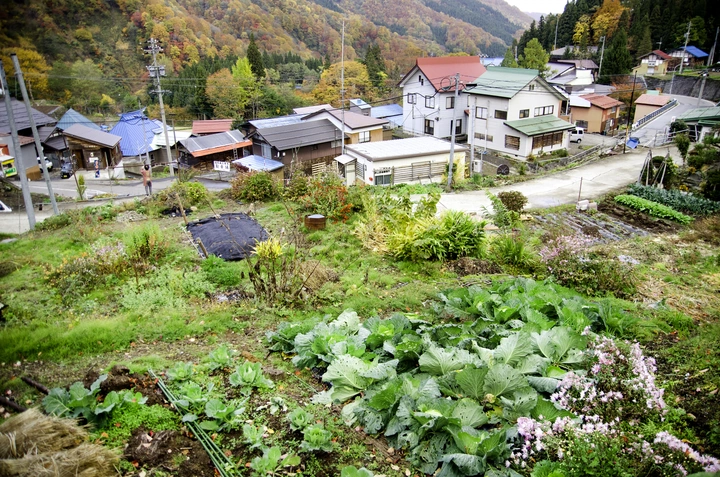
Iiyama and the area around Sakae Mura are where we're based, so it's the place we know best. It's a quiet, rural area with a strong local farming community.

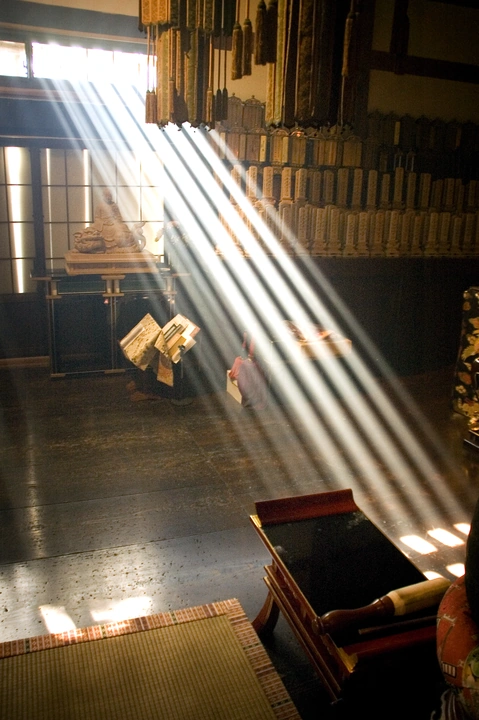
The region is known for its temples and bhusudan (household altars), making it a bit like the Kyoto of Nagano in terms of its spiritual and cultural significance.

While there's plenty to see for a full week, when we're just passing through, we focus on the best things we can fit in, like visiting the temples, trying soba-making, and checking out Kijima paper-making. Staying with the locals gives you a real sense of the area's traditions, and it's a great place to experience the slower pace of rural Japan.

Find out more:

Shibu Onsen Town

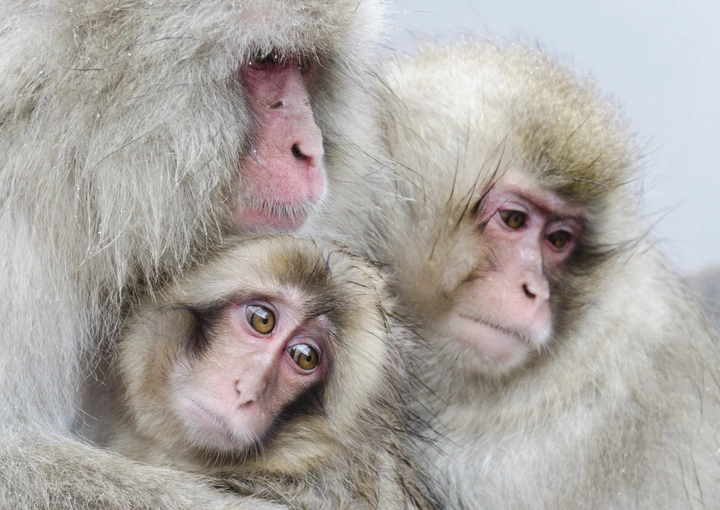
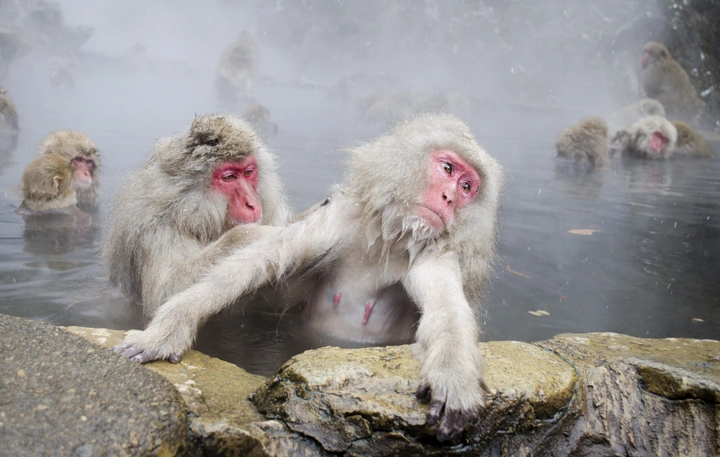
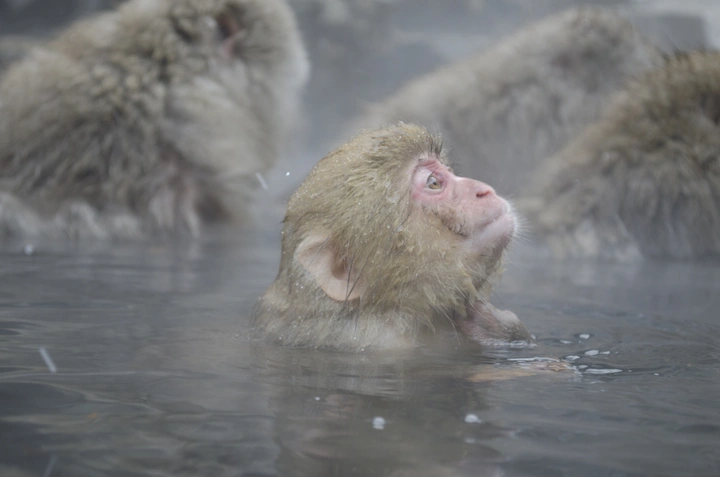
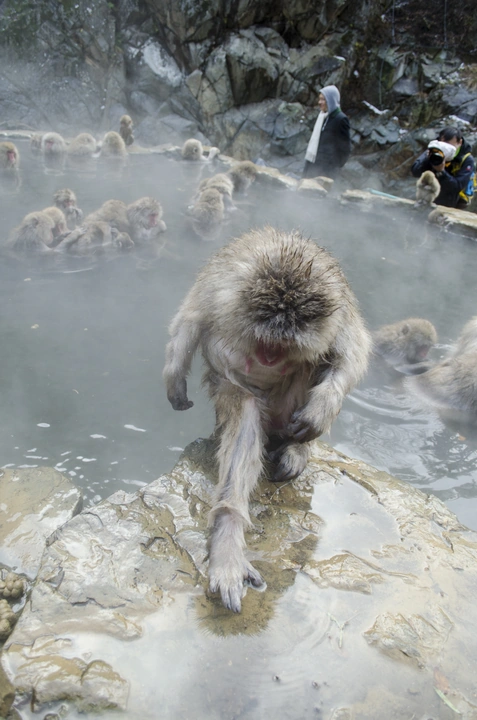
Shibu Onsen is a great place to either stay or just pass through. If we're staying, we can enjoy the town's traditional ryokan inns and onsen, soaking in the relaxing hot springs. But even if we're just passing through, a quick stop to see the snow monkeys at Jigokudani Monkey Park is worth it. The monkeys are usually hanging out in the hot springs, and it's fun to watch them go about their day. It's a nice mix of nature and traditional onsen culture, whether we're staying for a night or just taking a brief break.

Find out more:

Kusatsu Onsen Town

Kusatsu Onsen, a very traditional hotspring town, is a perfect stop after a long ride over Shirane.

The town is famous for its Yubatake, where we can watch the hot spring water flowing from a wooden structure in the middle of town, as well as a traditional hot-spring dance still performed to keep the culture alive.

It sits at the base do Mt Shinrane, an active volcano that offers great views, and in the spring, riding through towering snow walls adds a cool touch to the experience. It's a nice mix of nature and traditional onsen culture, making it one of our favorite places for more challenging trips.

Find out more:

Matsumoto & Matsumoto Castle

Matsumoto is a great stop, with more than enough to see even if we decide to take a full rest day.

The flat plains around the city make it easy for a bit of relaxed riding if there's time, offering some nice views of the surrounding mountains.

If we're just passing through with one night, there's still plenty to check out, like the Matsumoto Castle, one of Japan's most iconic, with its well-preserved black and white walls. The town also has a charming old town, where we can wander through traditional streets and check out local shops. If we're into art, the Matsumoto Art Museum is also a cool stop. It's a perfect balance of culture, history, and easy riding, making it a nice place to slow down for a bit.

Find out more:

Nakasendo

The Nakasendo is an ancient historic route that stretches across Japan, linking Kyoto and Edo (modern-day Tokyo). It's a long, important path that has significant historical value, and we get to ride along it at various points, especially in the southern Nagano area. One of the most popular sections runs through Kiso, with stops at Magome and Tsumago, where we can see well-preserved old architecture and feel the atmosphere of the old days. The old road still remains, and it's easy to imagine what it was like for travelers centuries ago. Along the way, we also find museums that showcase the history of the route and its role in Japan's past. It's a fascinating mix of history, nature, and culture as we ride through these preserved areas.

Find out more:

Magome & Tsumago
Hikone Castle

Hikone Castle is one of Japan's most beautiful and well-preserved castles. Located on the shore of Lake Biwa, the castle offers stunning views of the lake and surrounding area. Unlike many other castles in Japan, Hikone Castle has kept much of its original architecture, including the keep and surrounding moats. The grounds around the castle are also great for a stroll, with traditional buildings and gardens to explore. It's a perfect stop if you're into history and want to experience a piece of Japan's feudal past while enjoying the peaceful surroundings. Plus, it's not as crowded as some of the more famous castles, which makes for a more relaxed visit.

Find out more:


And many of the other experiences that filled the days:

While the long list of places we managed to visit on this one month bike trip around Japan is impressive even to me, just checking off a list of names - even the lesser known ones - was not the main highlight.

The best traveling in Japan requires more than just seeing. Experiencing involves doing. Making a list of all the little things that stuck in our minds would be impossible, and many of them would only be meaningful to us. But here are some of the activities beyond just famous place names that we managed to fit into the short month.

Traditional Ryokan Experience

A traditional ryokan experience is a must for anyone visiting Japan.

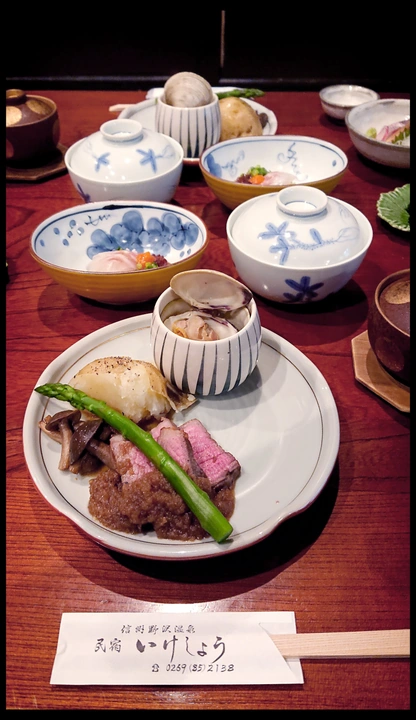
Ever Japanese style inn we use is chosen for it special "charming point" - the food, atmosphere, warmth of the inn-keeper, the architecture, the hot-spring, or a combination of all of these.

You will notice that there are no beds in your room. While you enjoy dinner, the inn-keeper prepares your futon on the floor for what may well be the most comfortable sleep of your time in Japan. Some inns also provide soba husk pillows - a comfort that, after experiencing it, many visitors obsess over finding a pillow to take home with them from Japan.

Upon arrival it is customary to remove your shoes before being shown to your room with the unmistakable aroma of straw tatami floor. In the middle of the room is usually a low table with complementary green tea and traditional Japanese sweets,usually a local seasonal delicacy, to enjoy while you rest and unwind from your long journey.

The most welcome moment after a long ride is getting out of your sweaty riding clothes and into a cool loose-fitting cotton yukata robe. The inn-keeper will explain the proper way to wear it, and you are encouraged to enjoy it for the remainder of your stay at the inn - including at dinner, to the bath, and even outside for an evening stroll.

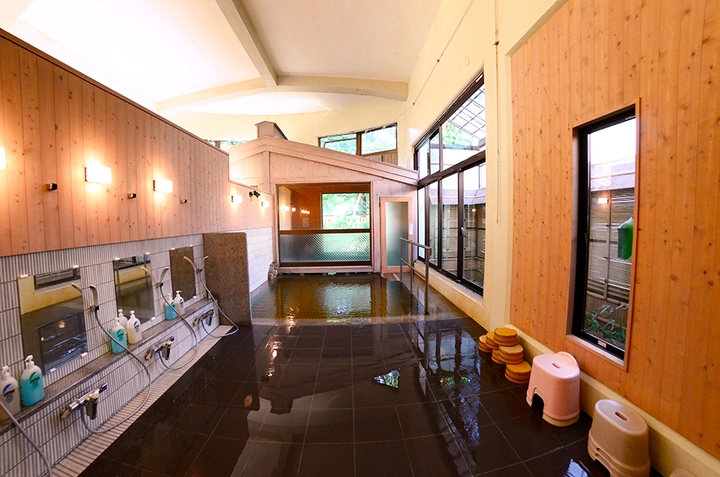
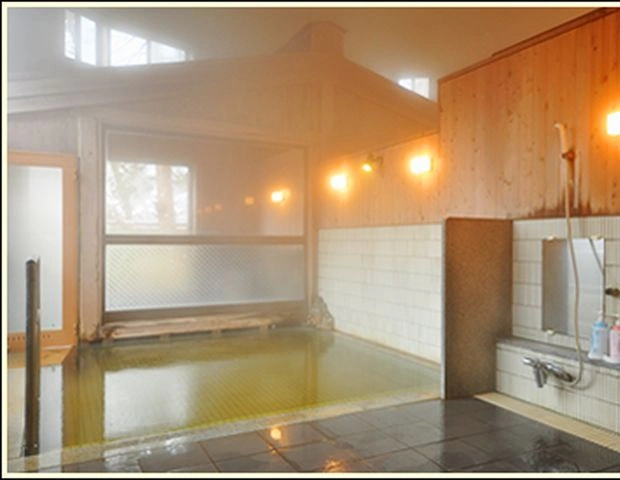
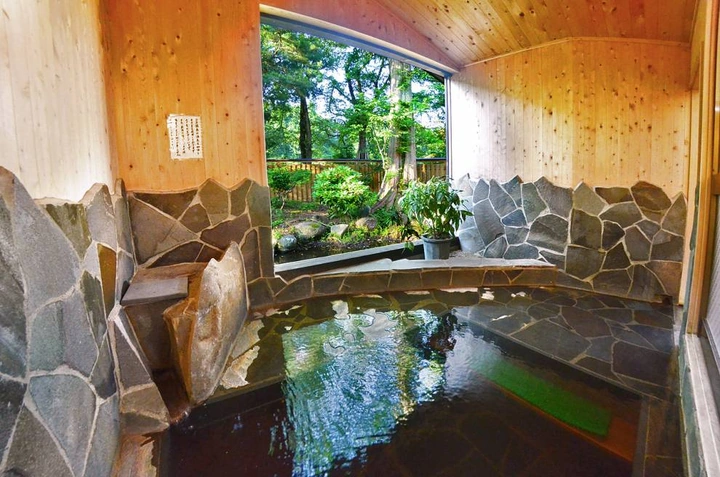
After tea and a short rest, it is time to enjoy a soak in the hot-spring baths. Some ryokan have their own in-house shared public bath (gender-separate), others are located within a short walk to local baths. The inn will provide a small towel and toiletries if needed which you can carry with you to the bath. Your guide will be on hand to instruct you on the proper bath etiquette.

Exquisite, elaborate, intricate meals are the soul of the ryokan experience. Even Japanese travellers come from all over Japan to dine on the most authentic regional cuisine that is unavailable or unknown in their own region.

Onsen on Most Nights

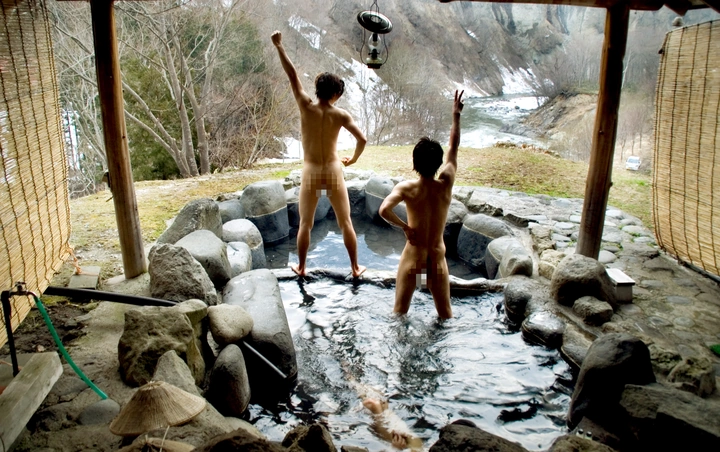
One reason Japan is ranked #1 in the world for bicycle touring and other active adventures is not because of abundant hills to climb, rather it is due to abundant hot-springs to soak in afterwards.

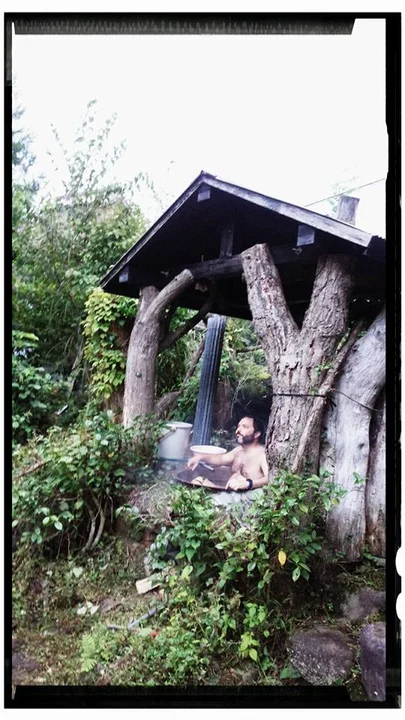
Hot-springs are a staple of our trips, from with remote mountain-top baths with incredible views, small towns built around the hot-springs centuries ago where multiple baths are all within a short walk from the inn, to modern full spas with saunas and various baths.

On most trips you will have the opportunity to try several different baths, each with its own unique characteristics - some for curing various ailments, and some just for relaxing. You will visit indoor, outdoor, hot, less-hot, modern, and rustic old-style bath houses.

All baths are separated according to gender, and your we will be on hand to explain the bath-house etiquette.

Temples & Shrines

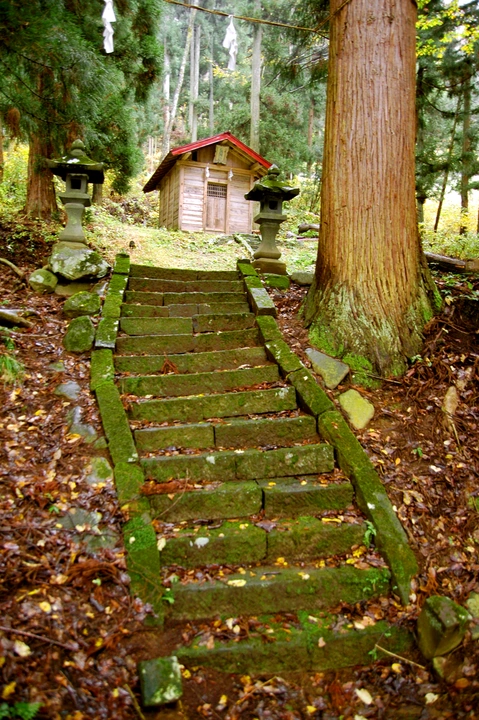
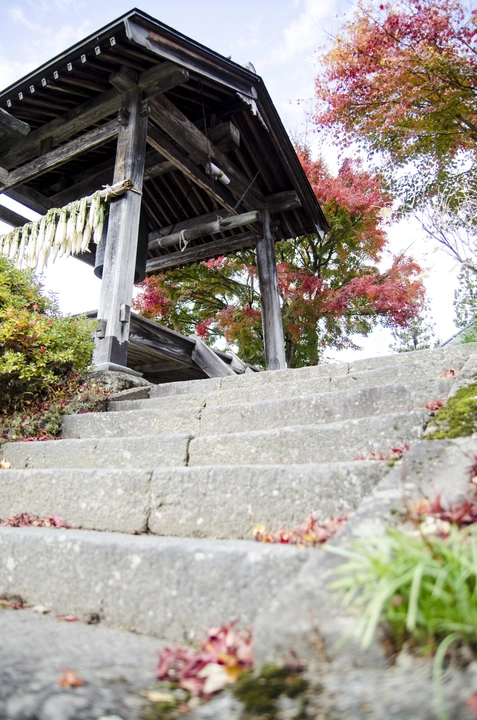
Kyoto has some of the most famous temples and shrines, but when you get out into the countryside, you will find a treasure of seemingly deserted temples and remote mountain shrines - some right next to the road, others requiring a short (or long) walk through forest or up mountain paths.

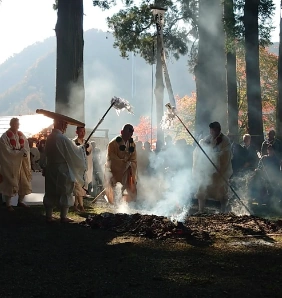
In. addition to these small local shrines, a wanderlust trip usually has plenty of opportunities to visit larger temples that are more famous for their cultural and spiritual significance than their tourism factor.

When traveling by bike however, usually the temple is not the main attraction. It is the journey to get there that makes it worth it, and the temples or shrines are just added bonuses.

Traditional Indigo Dying

The Little Indigo Museum is located in Miyama, Kyoto, in an Edo-period farmhouse, showcases the traditional Japanese craft of indigo dyeing (aizome).

The museum gives a small introduction to the rich history and cultural significance of indigo and other natural dyeing in Japan, dating back to the Edo and features exhibits on indigo-dyed textiles from around the world, including kimono, bedding, and wall art.

Find out more:

Japan's Snow Monkeys

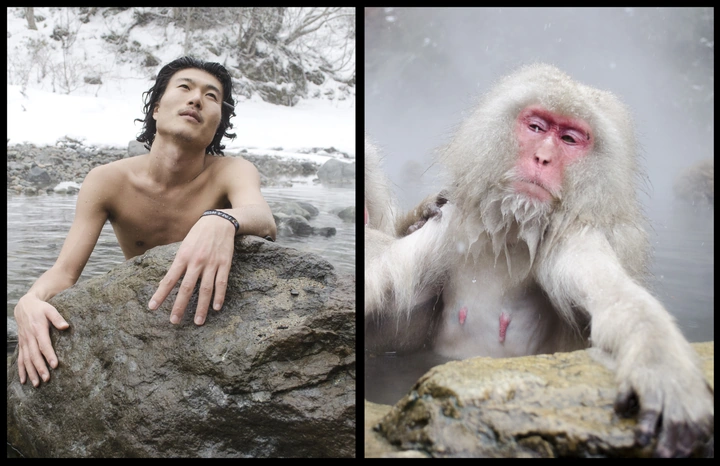
Established in 1964 when villagers sought a solution to the problem of a few monkeys coming down from the mountains to enjoy the natural public hot springs in town, this park and study center has become a beloved destination for visitors. The park is now home to a non-captive troupe of Japanese macaques, commonly known as snow monkeys, who return to the forest each night. Despite being wild, their familiarity with humans allows visitors to walk among them and observe their unique social habits and playful antics.

These snow monkeys have adapted remarkably to the cold climate, often seen soaking in the warm waters of the hot springs, a behavior not typically observed in other monkey species. This unique interaction with their environment, coupled with the stunning winter scenery, makes it a photographer's paradise. The park is not just a place for observation but also for learning about the monkeys' behavior and ecology, making it a must-visit attraction and one of the most popular in Japan. Be sure to have your camera ready to capture these extraordinary moments!

Regular Supermarket Living

On longer trips, we often find ourselves grabbing quick meals at the supermarket. It's a great way to see the difference between Japan and home - like how snacks, drinks, and even ready-made meals can be so different.

There's plenty of time to explore and try new things, and the longer the trip, the more you can try. It's fun to pick up different snacks every day, and sometimes you even stumble upon some new favorites. Plus, you get a taste of local life, seeing what people pick up for their everyday meals. It's a relaxed way to enjoy the trip without the rush of always looking for a sit-down meal.

Rural Japan

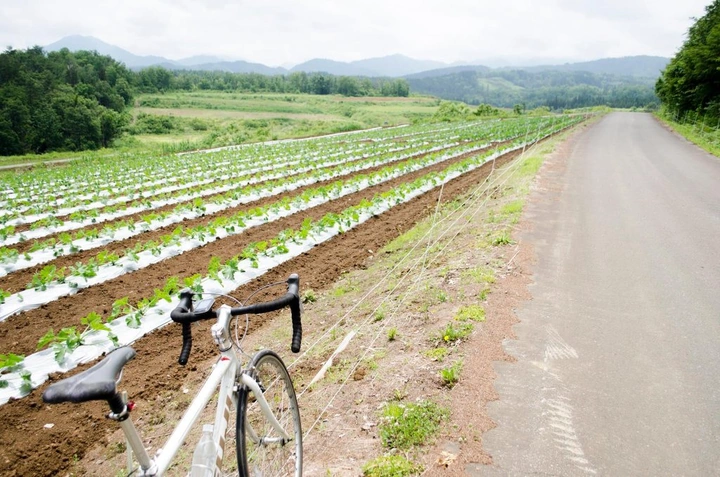
On our bike trips, we spend so much time in the rural areas that most people don't get to see. While we do pass through cities now and then, the focus is always on the countryside - where life moves at a slower pace and the landscape is full of hidden gems.

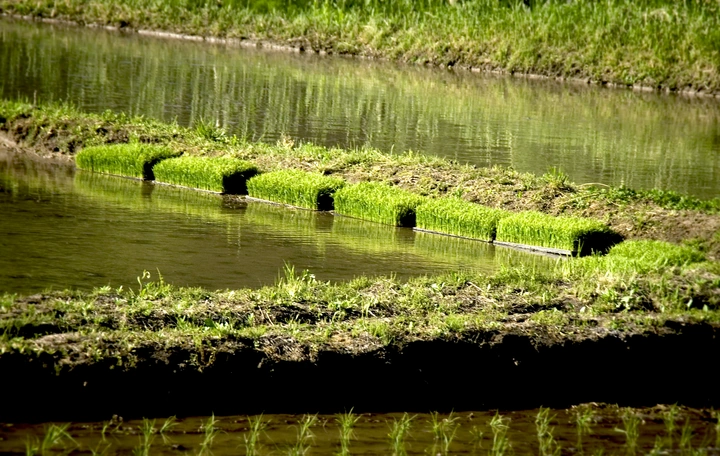
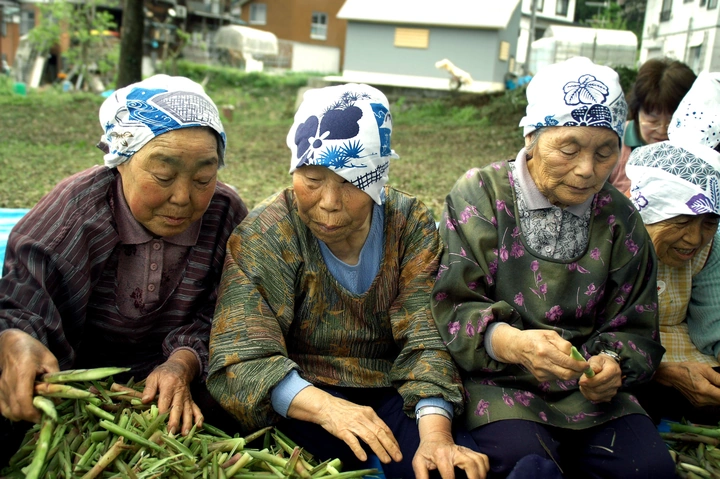
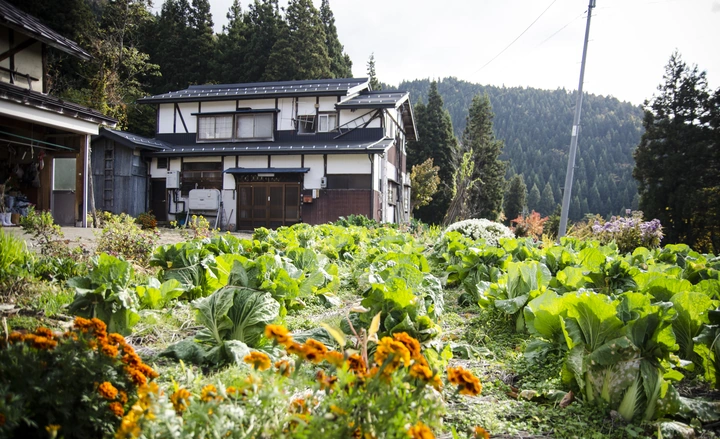
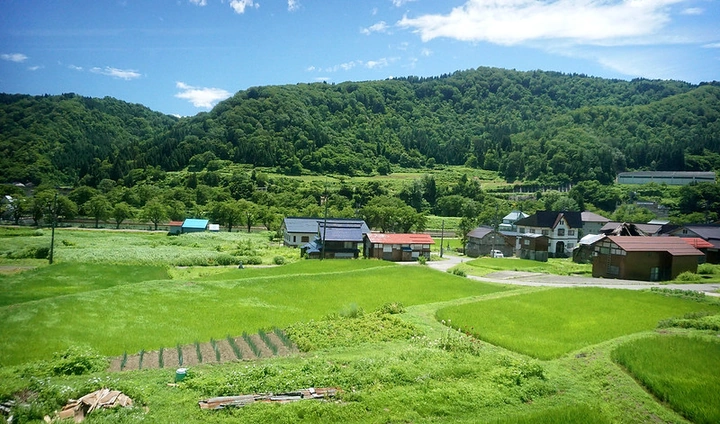
One Life Japan is based in a small village and we are rice farmers ourselves, so we get to share the real rural Japan that you won't find in the more popular tourist destinations. It's not just about the views, but about the experiences that come with living in the countryside - the quiet mornings, the connection to nature, and the simple routines that most visitors miss. These are the things you can't see when tourism is a major part of the economy. On our trips, we offer a chance to really connect with rural life and see Japan from a whole different perspective.

Museums Along the Way
Castles Along the Way

Along the way were several castles, and even more castle ruins. Most of the castle ruins are just that - ruins, with nothing more than some stone foundations overgrown with grass and forest.

On any long trip though, there are bound to be some proper castles

Find out more:

Regional Foods
Hokusai Woodblock Print Museum

Feeling up for month-long adventure across Japan?

This ride was the most ambitious we've planned: 30 days, 2,000 km, and countless moments in between. It’s not for everyone - but if you're even thinking about it, you might be ready. Learn More or drop us a note:

Contact One Life Japan