






About This Route
This route I chose because it is a smooth and quick transition from urban bustle to quieter roads and cultural sites. The route starts near Hakata or central Fukuoka, it winds out of the city toward Dazaifu, a well-known pilgrimage site and popular destination for students, locals, and day-trippers.
The total distance is around 20–25 km depending on the starting point and side trips, with a gentle climb near the end. It's well suited to a first-day ride in Japan: not too long, a bit of variety, and easy logistics for an overnight stay or return train.
Leaving Fukuoka
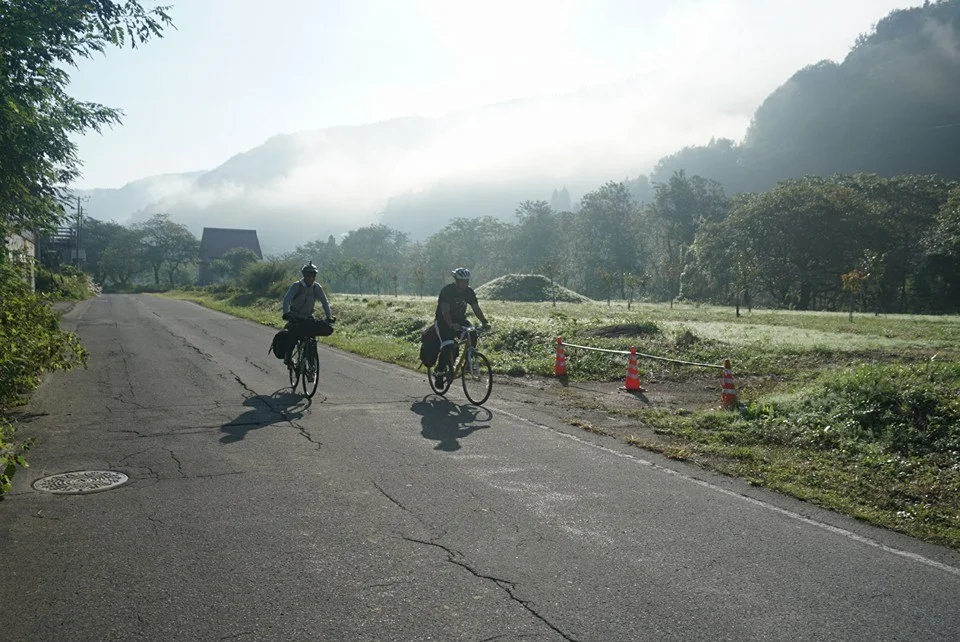
The first part of the ride follows a gradual shift from commercial city streets to quieter residential areas. Fukuoka is one of Japan's more bike-friendly big cities - relatively flat, good signage, and courteous drivers - but like any urban ride, there's a fair amount of traffic at the start.
It doesn't take long before the surroundings begin to open up. The roads here are a nice intro to riding in Japan: narrow but safe, with little shrines and family-run shops tucked into corners if you're paying attention.
Forest Roads and Castle Ruins
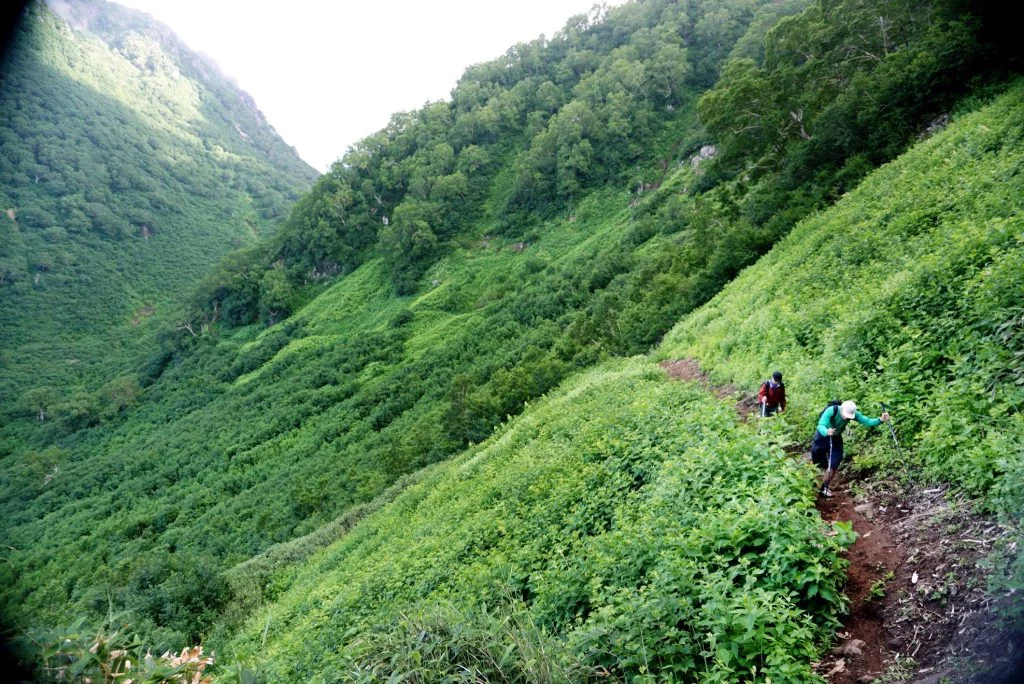
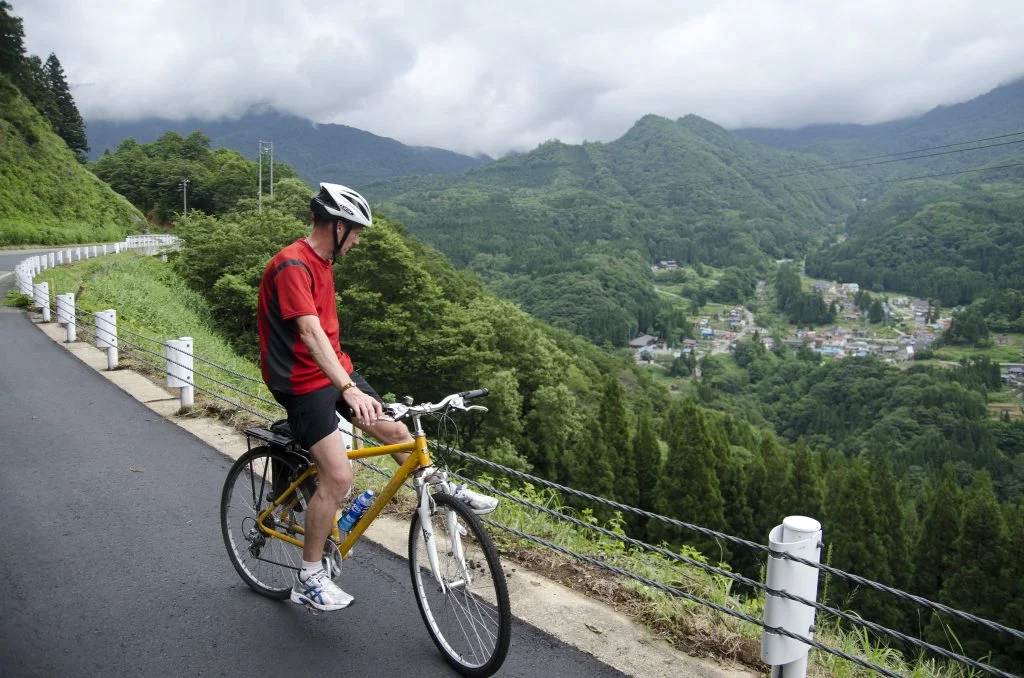
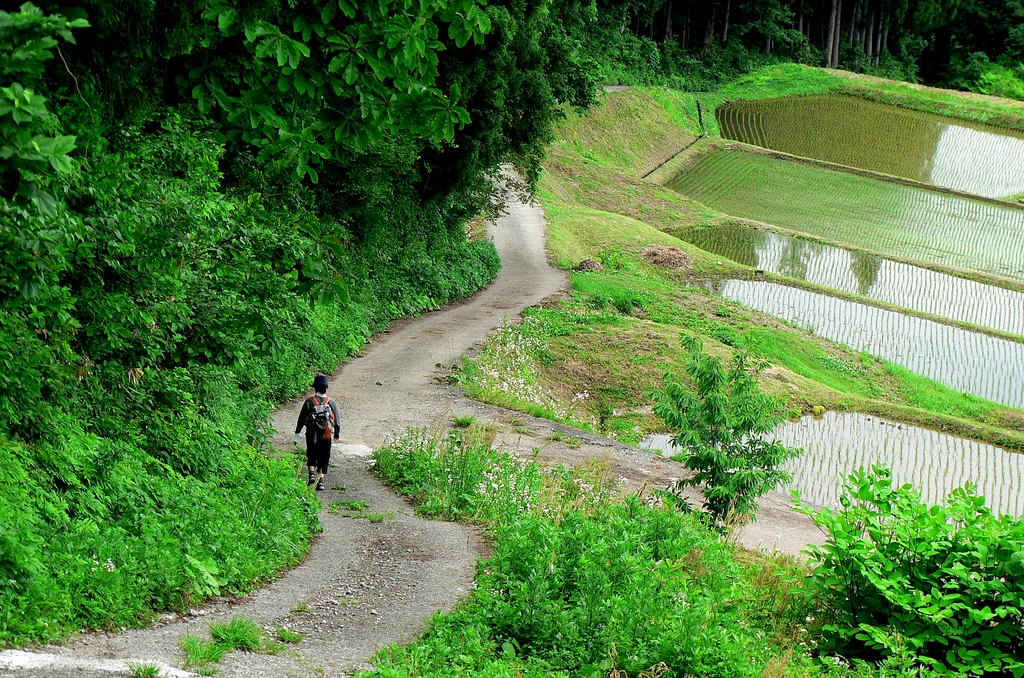
One of the surprises along this route is the forested climb that leads out of the suburbs - a short but satisfying uphill stretch that winds through trees, with occasional trailheads leading to waterfalls or local viewpoints.
About halfway to Dazaifu, you'll pass Ono Castle Ruins, thought to be the oldest castle site in Japan. There's not much left of the structure itself, but the views and historical markers make it a rewarding stop for those interested in Japan's early military history.
Another easy stop is the Mizuki Fortress ruins, located right next to the road. This was once a defensive structure built to guard against foreign invasion during the 7th century. Not much remains today beyond earthworks and signage, but the site offers another good excuse to stretch your legs and soak in some local history.
Arrival in Dazaifu
The final stretch is all downhill into Dazaifu - a town that has been welcoming travelers and pilgrims for centuries. The main attraction is Dazaifu Tenmangū, a shrine dedicated to Sugawara no Michizane, deified as the god of scholarship. You'll likely see students praying, testing their luck, and eating snacks between exams.
The main road leading to the shrine is a mini-destination in itself: packed with cafes, shops, and stalls selling the local specialty, umegae mochi - grilled rice cakes filled with sweet red bean paste and stamped with a plum blossom. Despite the name, there's no actual plum inside (a common surprise).
Just behind the shrine is the Kyushu National Museum, a strikingly modern building with an extensive collection of regional artifacts and rotating exhibits. Even if you don't go inside, the exterior and its hillside setting are worth the detour.
Where to Stay (or Soak)
Dazaifu has a wide range of lodging - from high-end ryokan to small guesthouses. If you're continuing by ferry or train the next day, it's also easy to get back to Fukuoka from here.
Public baths and small sentō are dotted throughout the area, offering a low-key way to rest tired legs. For many first-timers, this is a good chance to ease into the onsen/bathhouse experience before heading into more rural areas.
Optional Add-Ons
If you have time and energy:
- Kanzeon-ji Temple: One of the oldest temples in Kyushu, just a short ride or walk from the main shrine area.
- Komyozenji Temple: A quieter Zen temple known for its dry rock garden and seasonal foliage.
- Umegae-mochi baking experience: Some shops offer workshops where you can grill your own.