s
Rural Japan in November

Winter Arrives in Yatsugatake


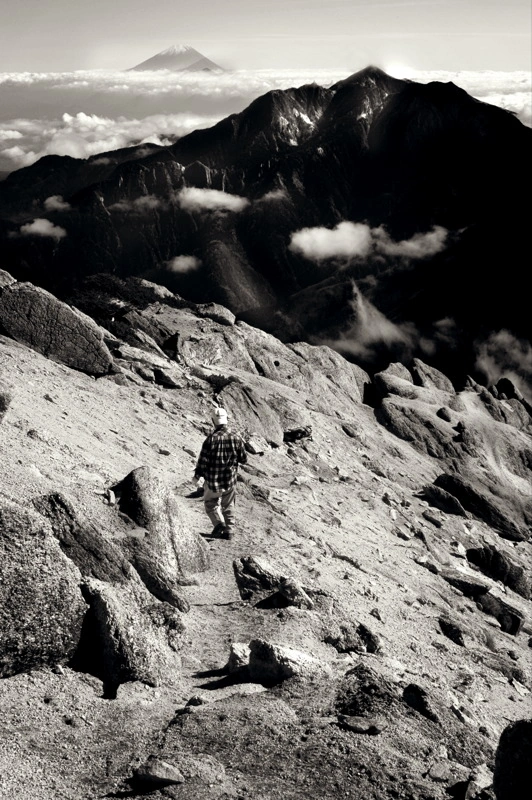
It looks like we snuck that last hike in the Yatsugatake in just in time. According to NHK news, it has been snowing like crazy in Nagano today - coincidentally, today is the official first day of winter. While I am anxious to do some cross-country skiing (I wonder if it can compare to the X-country skiing we did in Norway last year) I was not anxious to have a major snow storm while we were at 9,000 feet.

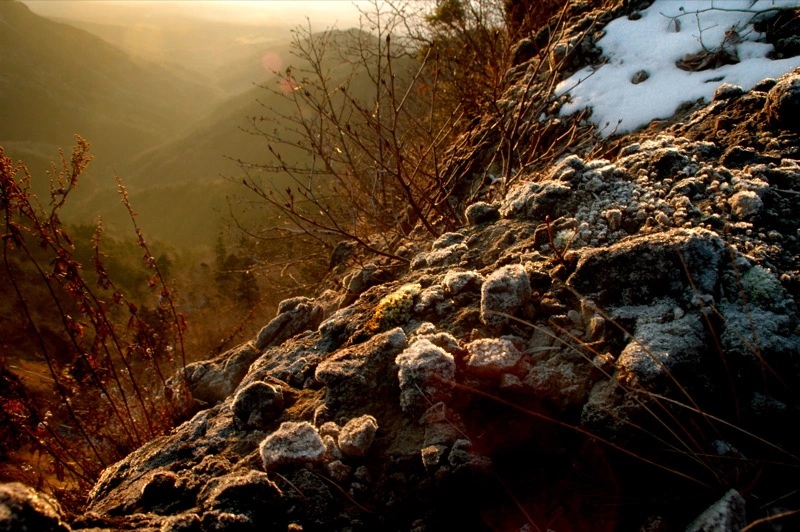
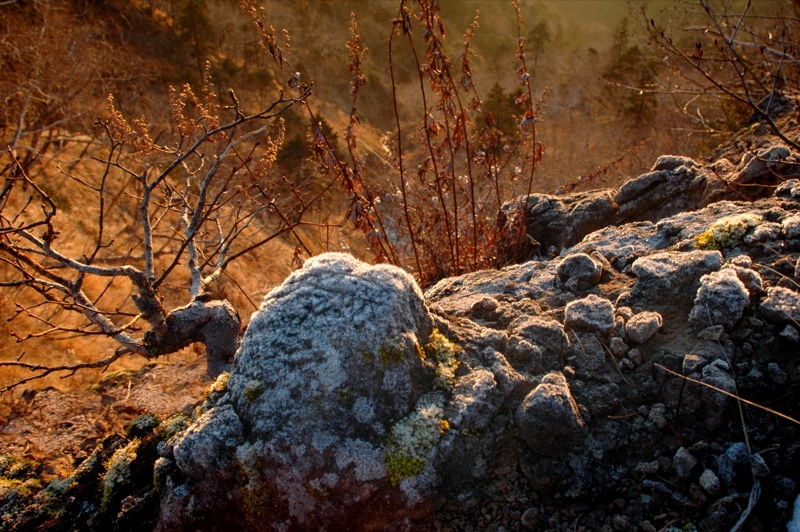
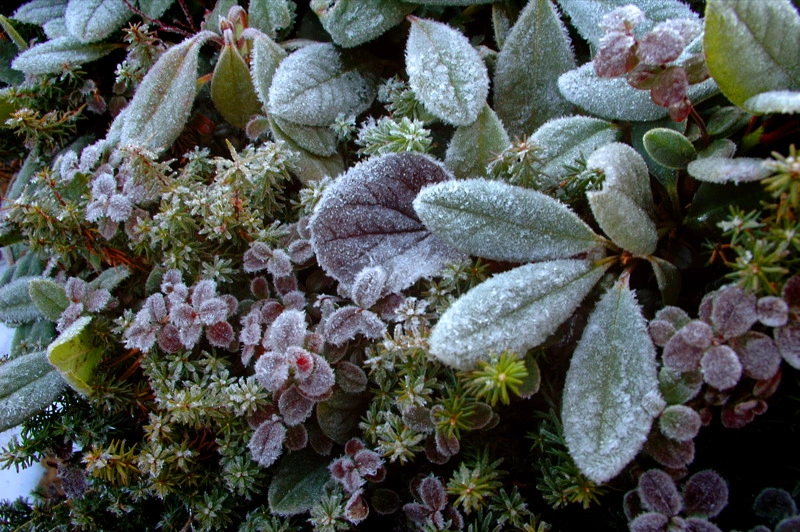
That's not to say that the mild chill we did have, causing my water bottles to freeze over night and some beautiful frost on the alpine plants, was not welcome.

Hiking Yatsugatake in November


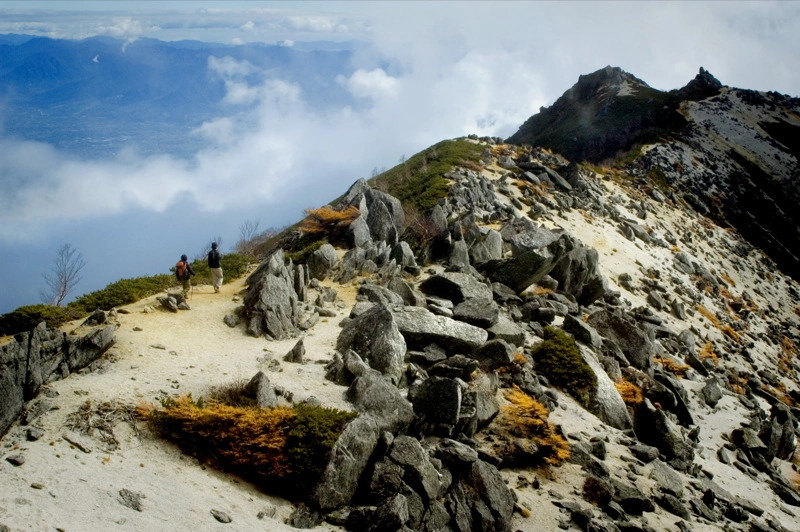
It was a great trip to the Yatsugatake. We went over Akadake this time, and the other side was wonderful. Highlights of the trip include Honzawa Onsen, where we took advantage of the unguarded open air hot-spring bath and almost freezing to sneak in a private bath (in daylight, people are lined up waiting to get in to this very tiny bath) under the (almost) full moon. It kept us warm until morning.

Day two was great. We covered some new terrain, some snow, and a slow-paced hike to the next hut which was already closed for the season, allowing us to camp for free.

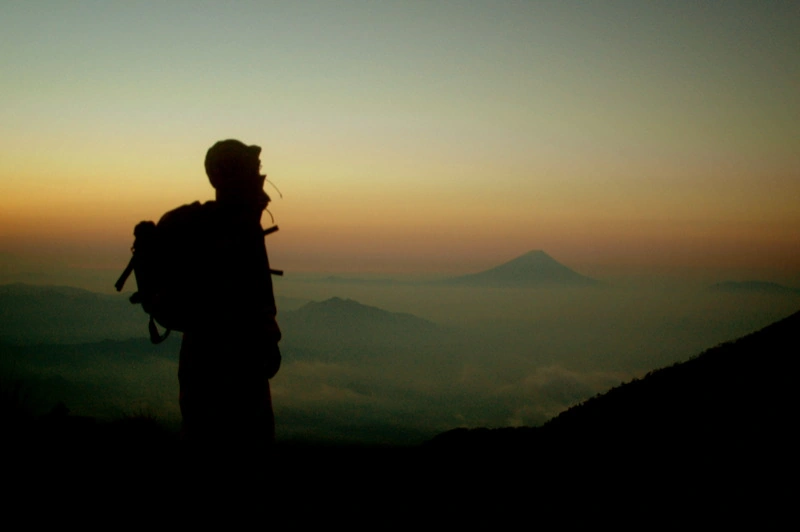
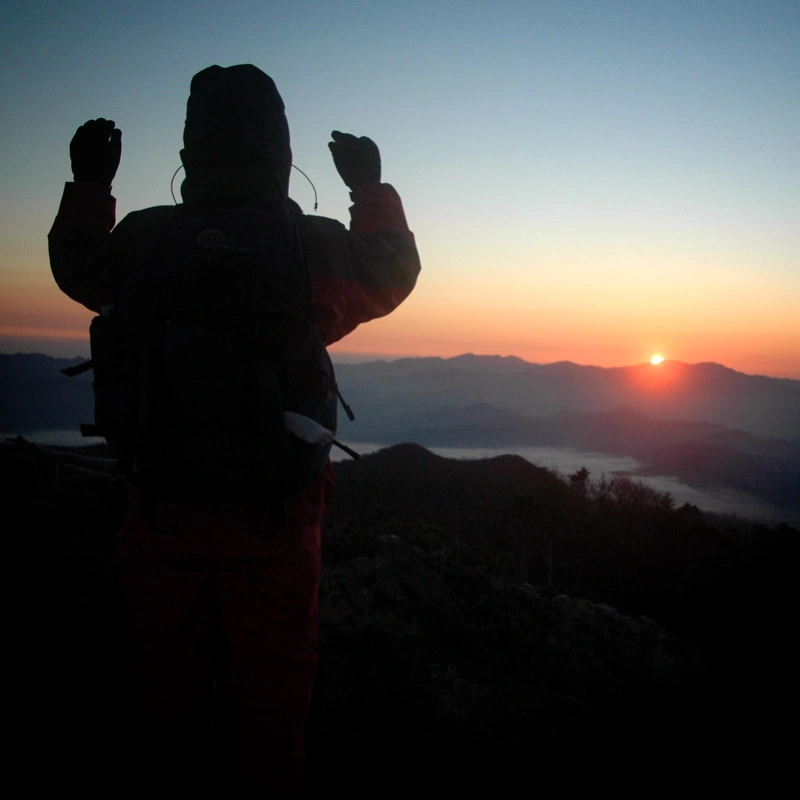
Day three was great as well, getting up at 4 am and hiking to the top of a nearby peak to watch the sunrise. After that it was all downhill - six hours or so to Kobuchizawa station.

"Great" turned into "not so great", however, as we arrived at my favorite onsen later that evening to find that the owner had died a few days earlier (86 years old). The onsen was closed of course, but the widow let us in for a bath anyway because we were regulars. She told us some more stories about his life and how he saved the nearby river from illegal waste dumping. As we left she gave us some flowers from the funeral, and we headed into town for dinner at a nice little izakaya.

The widow has decided to go out of business for now, but told us we can come back and use the bath when we are in the area. Its sad for her to be alone in the house they moved to 35 years ago when they followed their dreams to quit the salary-man life in Tokyo, and sad for the world as that really was a truly unique bath/inn with so much to offer to visitors - courtesy of the interesting couple that ran it.

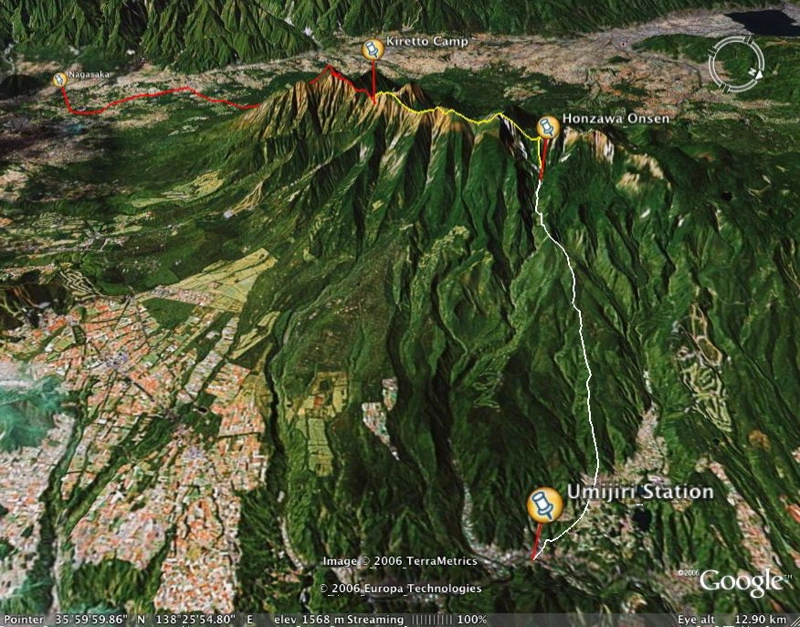
As you can see, we started at Umijiri station (5 hours and over 3,000 yen from Tokyo) and ended at Nagasaka (3 hours and 2,500 yen). In between was Honzawa Onsen (4-5 hours from the station) and Kiretto Hut (6 hours from Honzawa)

Hiking Trails in Japan: Chains, Ladders, and Luxury Mountain Huts


I noticed that Tom, from the wonderful blog Two-Heel Drive, has introduced my site to hikers around the world. So I thought it might be nice to share what I find interesting about trails in Japan.


Hiking in Japan: Bigger Than Baseball

First off, you have to understand - hiking is big business here.

Last year, 10 million people in Japan "partook in hiking." That's more than:

  • Golf: 9.7 million
  • Skiing & Snowboarding: 7.6 million
  • Baseball (surprisingly): 6 million

Sadly, the number of visitors to Tokyo Disneyland blows all of these away with a staggering 25 million.


Trails for the People

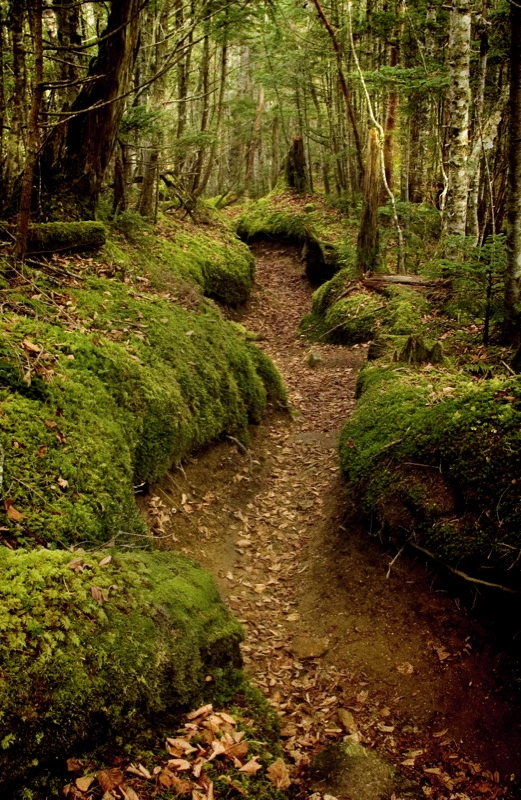
Most Japanese hikers are well-monied retirees. As a result, many trails - originally created centuries ago by monks seeking communion with the mountain gods - are:

  • Wide
  • Well-maintained
  • Equipped to allow access to as many people as possible

For example, fully-equipped luxury mountain huts are spaced every few hours on many routes. That means you can go on multi-day hikes with just a day pack - no tent or food required.

This accessibility does come with risks, though. It can encourage unprepared hikers to enter dangerous terrain. A tragic example: several people died in a snowstorm on Shirouma in October - just two weeks after Tomoe and I had climbed it. Without those huts, many hikers wouldn't have been on the mountain at all.


Ropes, Chains, and Ladders

What amazes me most is how the difficult sections of Japanese trails are made accessible by installing:

  • Permanently fixed ropes
  • Heavy chains
  • Metal ladders

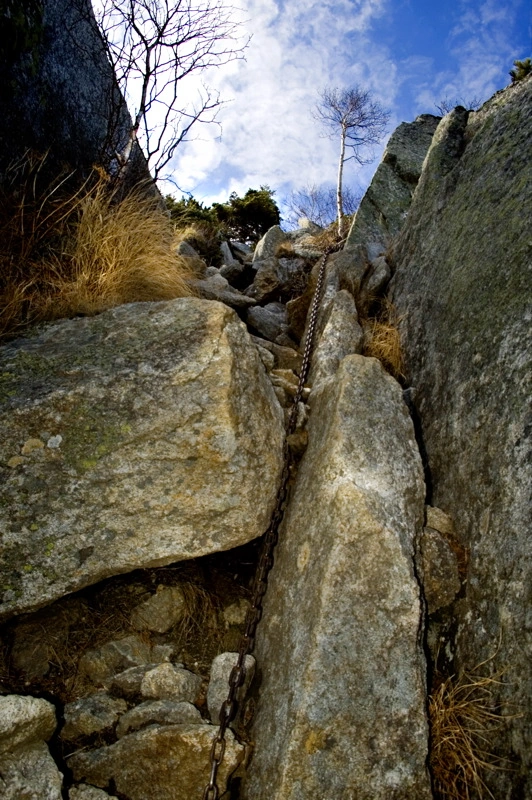
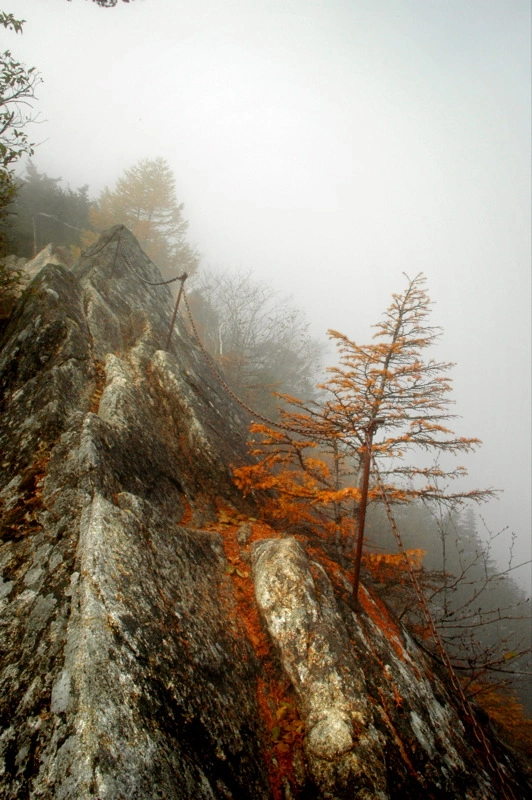
These aren't rare either. Many trails feature long chains to pull yourself up nearly vertical rock faces.

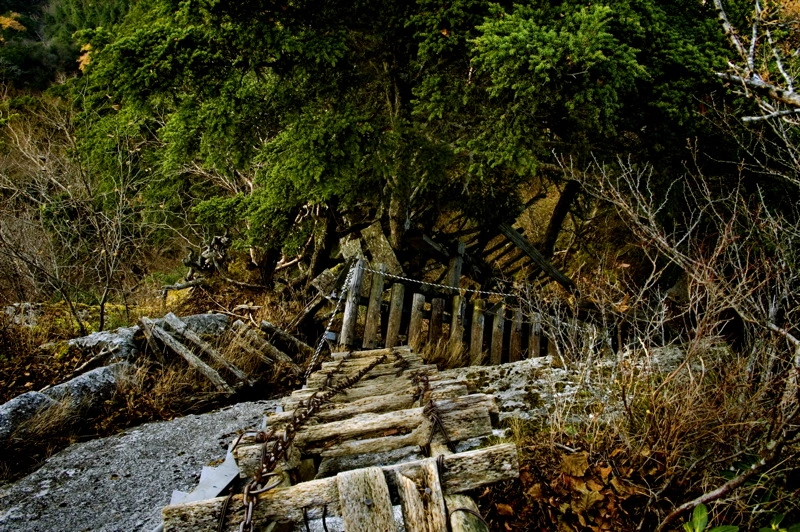
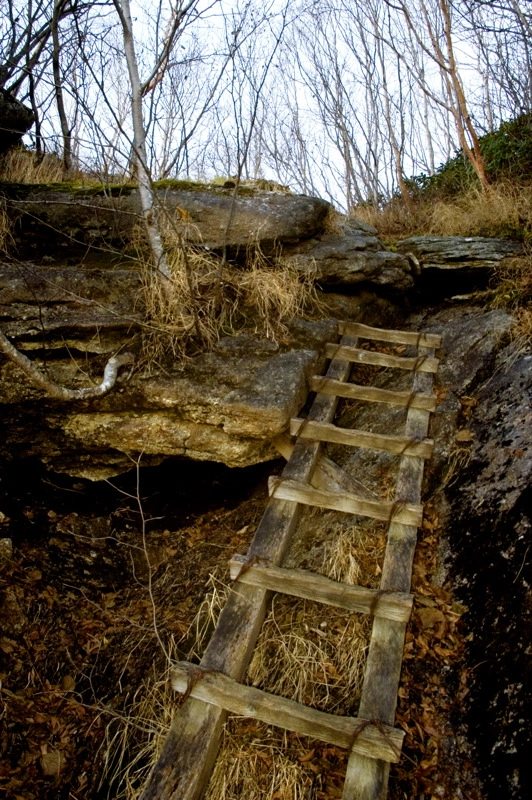
Where a single rope or chain isn't enough, ladders are added. And where one ladder isn't enough...
You get the idea.

Note the chain used to climb nearly vertical terrain.


When a rope isn't enough, bring in the hardware.


What Gaijin Eat: Kinpira Makizushi & Imo Mochi Adventures


Kinpira Makizushi & Imo Mochi (Sticky Potato Gnocchi)

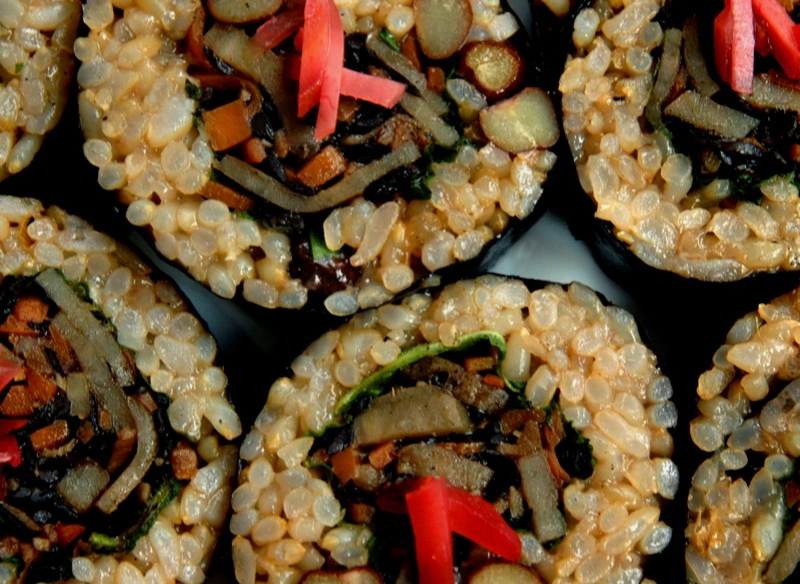
It's been a while since I last gave readers a peek into the diet of the average gaijin in Japan, so I'm taking a break from my busy schedule to catch up on some past meals. A few weeks ago, on two separate occasions, we had home-rolled vegan sushi that keeps your bowels "firm but flexible." Only slightly different, the two variations are presented here together.


Kinpira Sushi #1

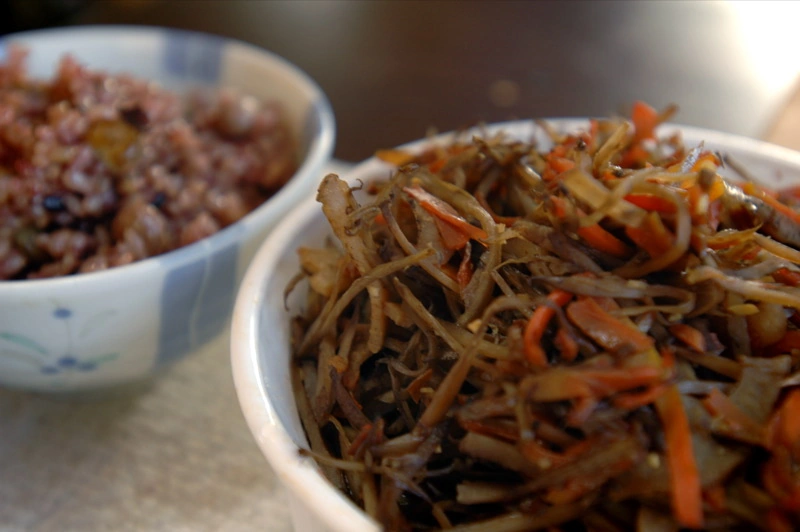
Kinpira is a style of Japanese cooking that could be described as "stir-fry of stick-shaped veggies." A quick search for "gobo kinpira" will yield dozens of recipes, but most won't mention the dish's Viagra-like properties - or its special place in the hearts of macrobiotic practitioners.

Most people know kinpira as a delicious mix of sautéed gobo (burdock root), carrots, and red peppers. But in macrobiotics, it's a foundational dish - balanced, energizing, and used to "clean your blood" and keep you strong.

Why Burdock?

Gobo is considered very yang and is said to help men build stamina.
Fun fact: the name "Kinpira" comes from Jōruri, a form of Edo-period puppet theater, where the hero Kinpira (son of legendary sumo wrestler Kintarō) smashes evil with sheer strength and, presumably, awesome digestion.
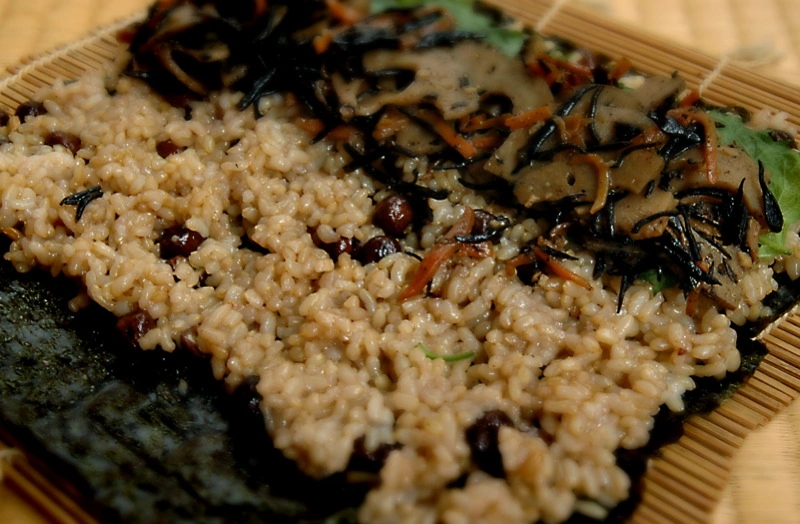
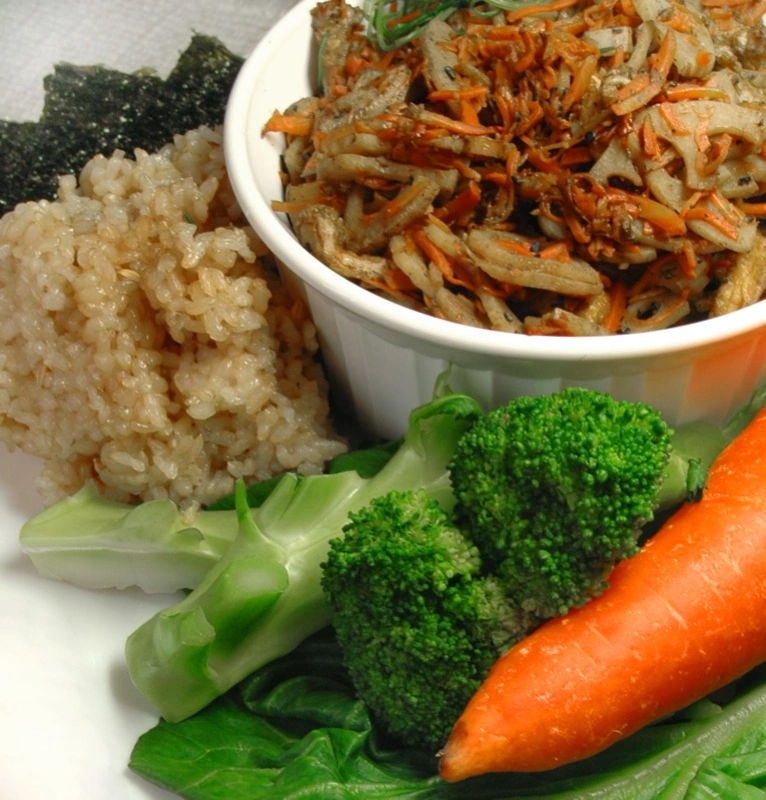
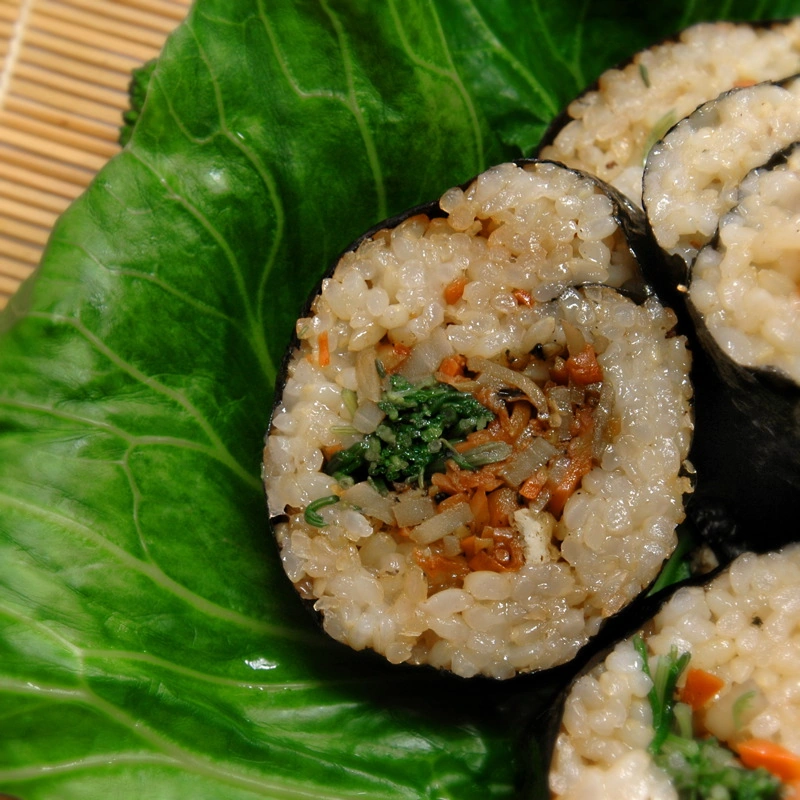
Tomoe's macrobiotic-style kinpira omits red pepper, which is considered "yin" and cooling. Instead, her version contains:

  • Gobo – High in fiber, helps keep our house bowel-happy. "Yang" and strengthening.

    "The root is crisp, mildly sweet, slightly harsh - soaking can reduce bitterness."
    Tomoe disagrees with soaking and prefers long cooking to retain nutrients.

  • Renkon (lotus root) – Symbolically balanced (like sausage links!), renkon is said to help make the body firm yet flexible. It also tightens loose bowels and soothes the throat. Renkon candies still exist in Japan.

  • Carrots – Pretty standard. But don't toss the stems - they're even better for blood-cell growth. In Japan, they're often fried as tempura.

  • Ginger, pickled in umeboshi juice – Adds a tangy kick to balance the plain rice (we used regular rice instead of vinegared sushi rice).

  • Soy Sauce – Tomoe used her homemade batch, which will be featured in a future post.

All veggies are cut into various stick shapes. According to macrobiotics, thin sticks = more yang, good for anemic (yin) folks. Thicker veggie sticks = more yin, good for allergy-prone (yang) people.


Making the Sushi

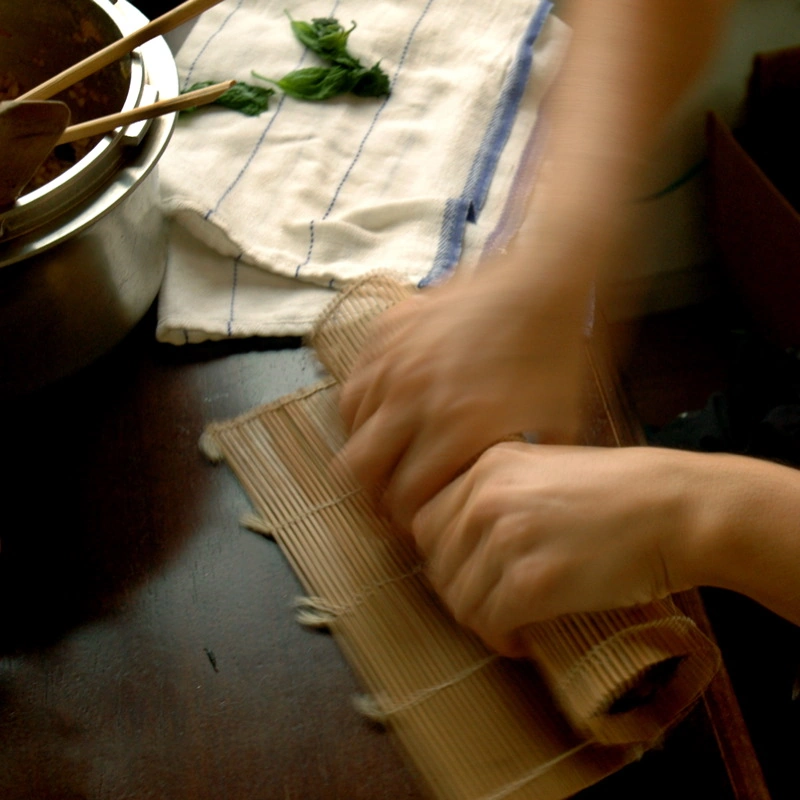
Once you've got your masculinity-inducing kinpira, the fun begins: rolling sushi.

We used genmai (brown rice) cooked with akaendō (red peas, often used in Japanese sweets), and added shiso leaves for a refreshing minty touch.

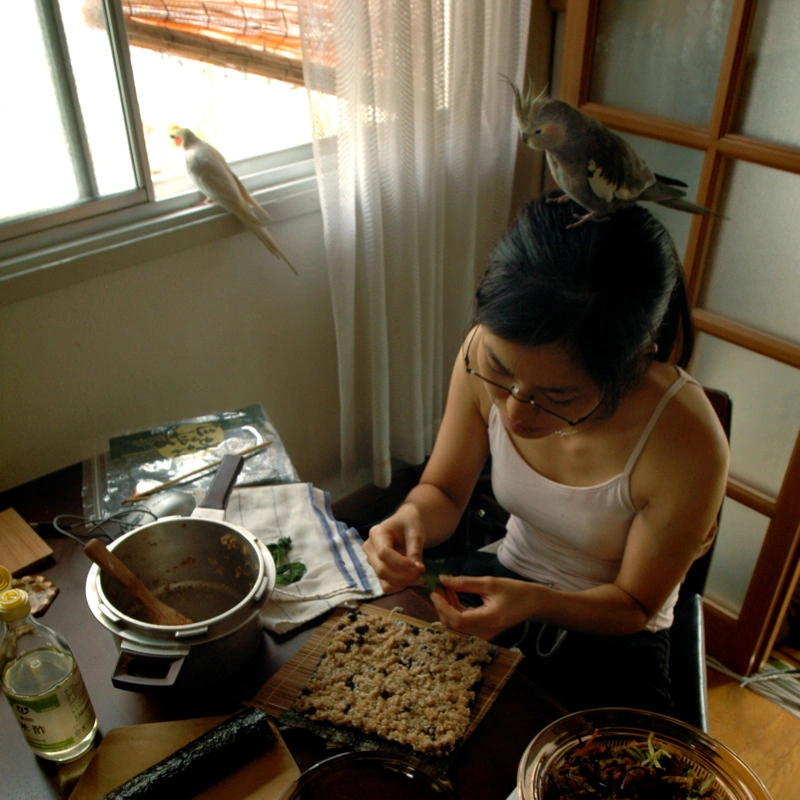
Sushi rolling parties, like the one with Tomoe and the birds, are popular in Japan - especially when entertaining kids.


Kinpira Sushi #2

The second version included a few unique ingredients:

  • Aburaage (fried tofu skin) – Ours was made from domestic soybeans and natural seawater nigari, avoiding industrial shortcuts like silicone oil.

  • Okahijiki – Literally "land hijiki." It looks like seaweed but grows on land (oka = land, hijiki = the seaweed). Pickled in umeboshi vinegar for a tangy punch.

    Bonus fact: Some species of okahijiki have become invasive in the U.S., especially in the Great Plains, where they now blow across the screen in Western movies as tumbleweeds. Their origin? Ukraine.


What Gaijin Eat: Imo Mochi (Sticky Potato Gnocchi)

Half the joy of cooking (or eating, in my case) comes from what happens when things don't go to plan.

Tonight's dinner began with Tomoe's attempt to make a vegan mayo substitute. Not that we needed it - we haven't eaten or craved mayo in years. It was more of a curiosity thing.

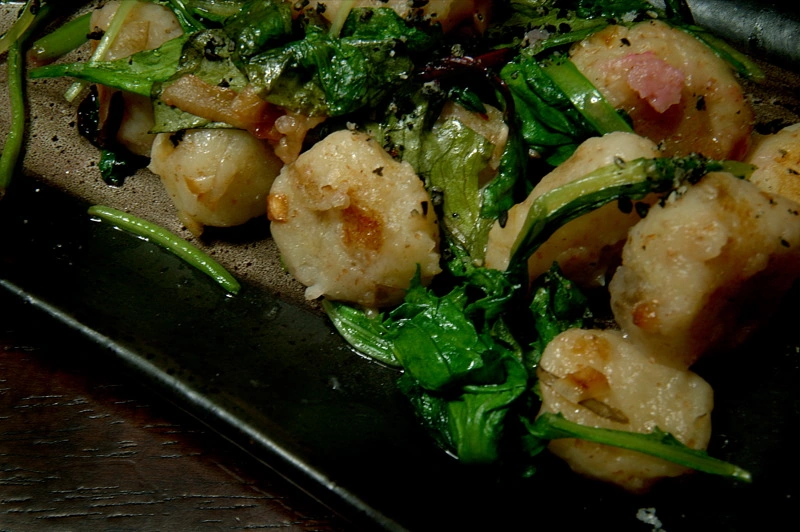
The idea was to mix mashed potatoes with plum vinegar, umeboshi, sesame paste, and salt & pepper. But while mashing the potatoes (which she had steamed to preserve nutrients), Tomoe noticed the texture was sticky and gooey - like mochi.

Hokkaido's Potato Mochi Tradition

Turns out, imo mochi is a real thing - especially in Hokkaido, Japan's cold northern island where rice wasn't always widely grown. Locals grilled sticky mashed potatoes with soy sauce or butter. Think: Japanese gnocchi with a chewy twist.

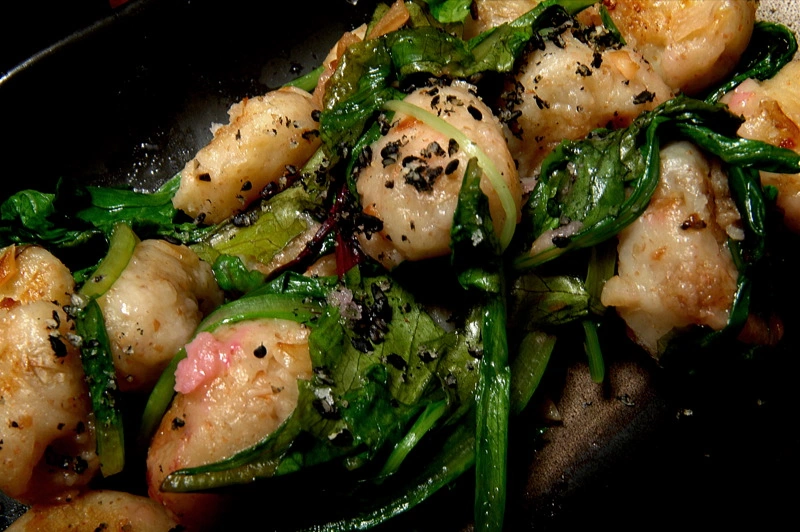
Of course, man doesn't live on potato alone, so Tomoe sautéed the mochi with a mix of "six baby leaf salad" from our local co-op's farmer's market surprise box:

  • Detroit
  • Kyo Mizuna (from Kyoto)
  • Red Oak (a red-stem lettuce)
  • Romaine Lettuce
  • Arugula
  • Tatsai (a Chinese leafy green)

I honestly couldn't tell a huge difference between these and your average leafy greens, but they earn points for being even more vegan than usual. That's because they were grown at Wagoen, a local farm that uses fermented veggie scraps for fertilizer - no cow poop needed.

Macrobiotic Notes

Potatoes are considered very yin, but steaming and sautéing add yang. Leafy salad is usually too yin to pair with potatoes, so Tomoe sautéed them too, with lots of sesame and garlic.
Want to See It with Your Own Eyes?

If these photos have you imagining yourself here - riding past rice fields, soaking in onsen towns, or just slowing down somewhere real - reach out for a free consult. We’ll help you figure out where (and when) this kind of Japan can fit into your trip.

Contact One Life Japan