s
Rural Japan in November

Minami Alps Hike Day 3: Use Me! Abuse Me!


Inspired by a comment from Joe in cubicle-land, I present Day 3 of my recent hike in the Southern Alps of Japan.

When we last left off, I was happily settling down to sleep in my tent after having eaten dinner in an outhouse.

The biggest problem I had on the trip was that with the 5 PM sunset, I was left with a choice: either run my headlamp batteries down reading for six hours until my body was ready to sleep, or lay quietly in the dark hoping to fall asleep by 7 or 8. To make matters worse, short days mean short hikes (if I want to reach camp with daylight left), which means I'm not fully exhausted - and sleep doesn't come easy.

That night, I think I fell asleep by 8 and, as with every night, woke up feeling fully refreshed by 1 AM. I clicked on my headlamp and read for a couple hours before drifting back to sleep. But this night was special - my reading was interrupted by wildlife surrounding the tent.

There were deer (or possibly Kamoshika, a type of Japanese mountain goat called the Japanese serow) calling from the right and left, sometimes getting closer, sometimes moving away - not quite as close as the deer that once tried to lick the sweat off Tomoe's arm through the tent in Yatsugatake last month, but still, nice to hear.
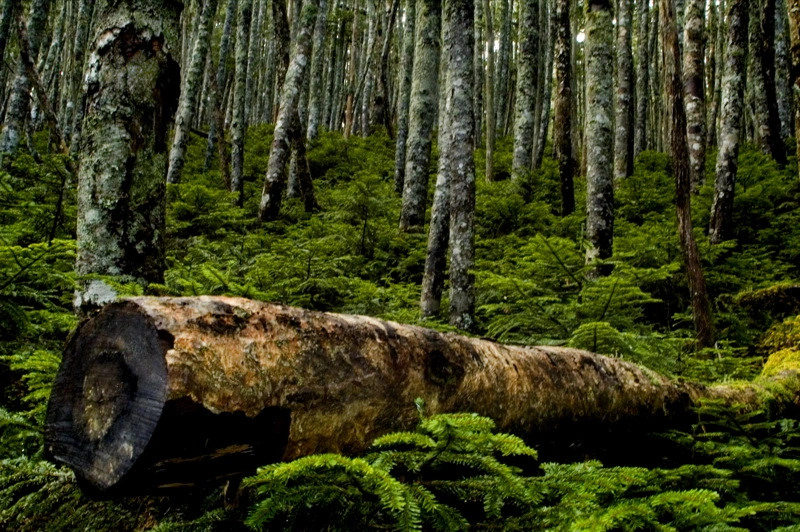
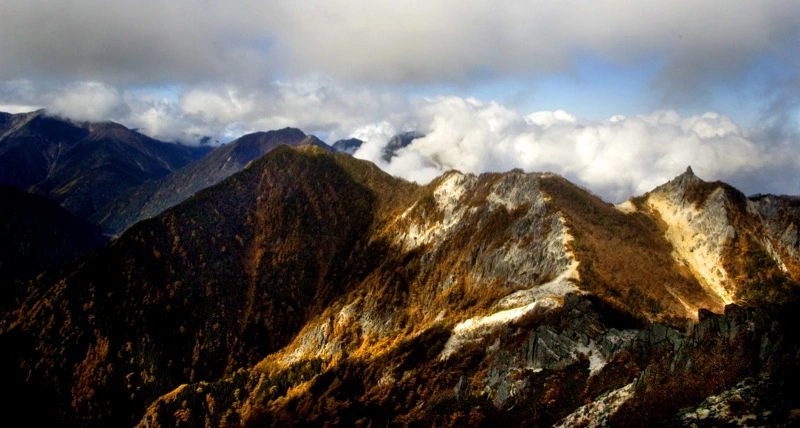
Wildlife Count: Southern Alps vs. Humans

The sheer amount of wildlife I saw during this Minami Alps trip surprised me - especially compared to zero seen on my recent Yatsugatake hike. I encountered way more animals than humans.

Day 1:

  • People: 0
  • Monkeys: ~10
  • Inoshishi (wild boar): 1
  • Frogs (huge, foot-sized): many
  • Birds: many

Day 2:

  • People: 0
  • Mice: 1 (tumbling down a steep hill trying desperately to get away)
  • Deer: 6 or 7
  • Birds: many

Day 3:

  • People: 2 (a younger couple)
  • Inoshishi: 2
  • Japanese Mountain Goat (Serow): 2 (one appeared five feet to my right!)
  • Deer: 3
  • Birds: many

Day 4:

  • People: 2
  • Panda Bear: 1 (I swear it was! Maybe I'll get into that later...)
  • Birds: many

Day 5:

  • People: 1 (until I got down into town, where there were many)
  • Birds: many

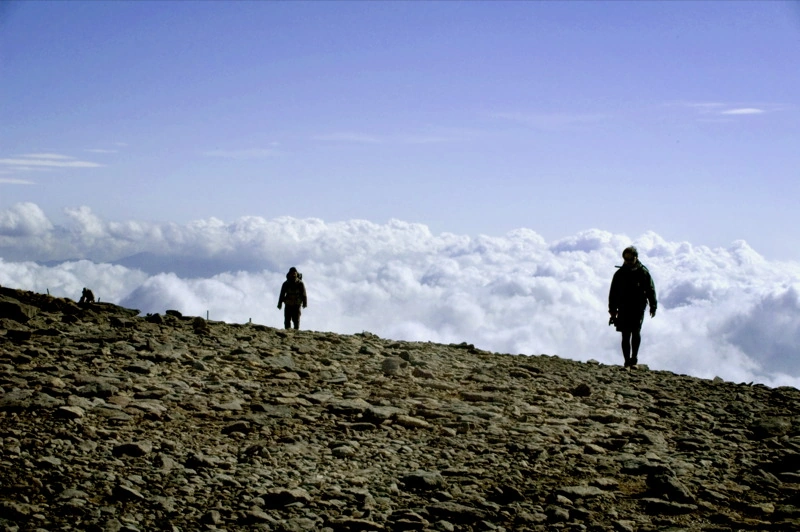
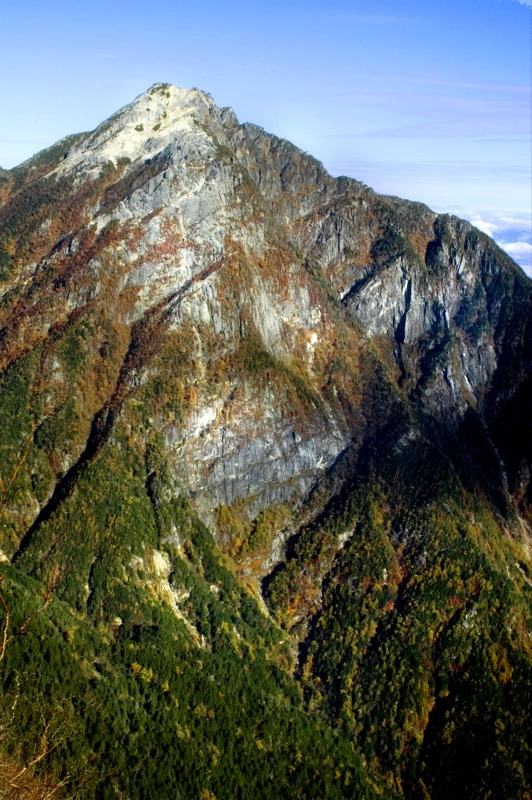
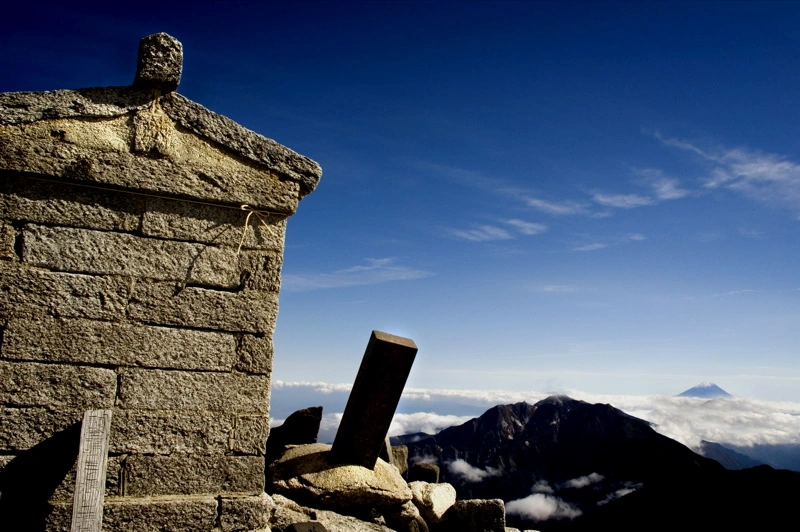
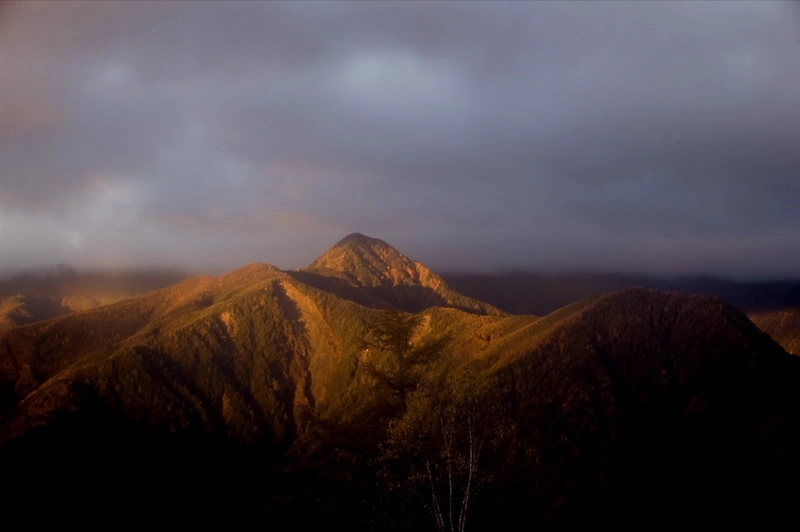
Anyway, I managed to not be ravaged by wild animals and woke in time to see Kita-dake at sunrise. Unfortunately, I forgot to remove the smudged filter from my lens, so the photos are extraordinarily blurry.


A Turning Point in the Hike

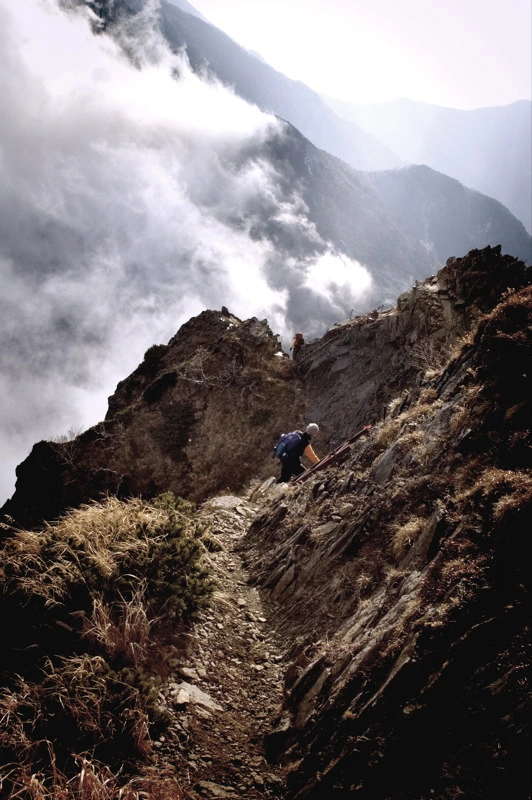
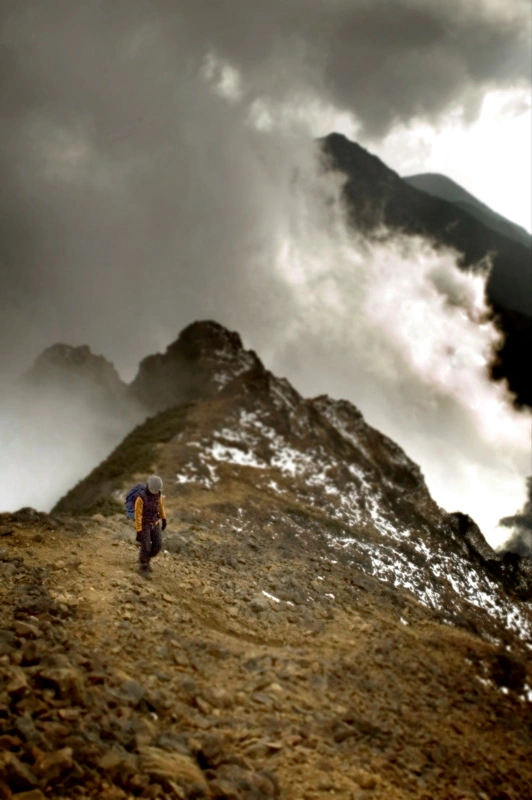
This day marked a turning point. I was already behind schedule, and with such short days, my original route was looking overly ambitious.

As 3 PM rolled around, I stood staring across a deep valley at Kita-dake - the same valley I had hiked up and out of the day before - and I had to decide:
Do I descend again, camp in the valley as night falls, then climb back up the next morning still behind schedule and unable to complete my original plan (missing Ainodake)?
Or do I stay up on the ridge (which has plenty of vertical gain/loss on its own), reach camp while it's still light, and enjoy the evening?

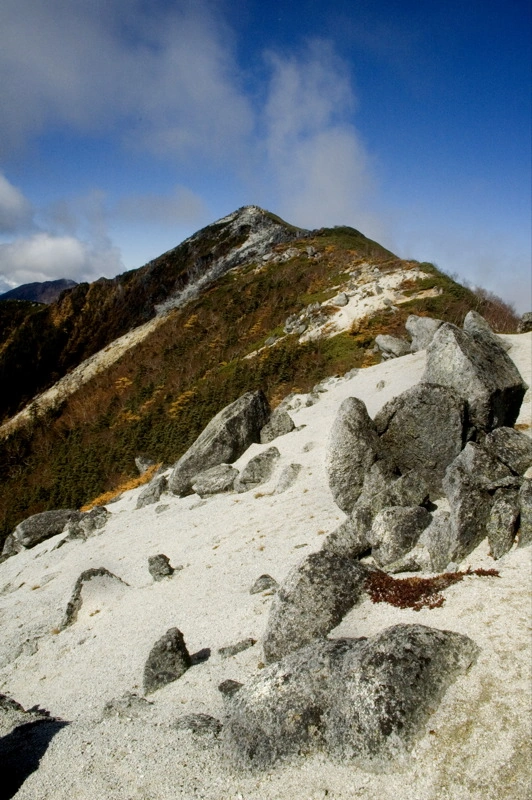
(Here you can see my actual route, though I had planned to descend into the valley on the left.)


Hiking for Pain or for Peace?

On one hand, one of the reasons I hike is to exhaust myself. It's the same craving that causes me to drop and crank out fifty pushups after an hour on the computer. My body is saying: "Use me! Exhaust me!"

There's a high that comes from walking 10–12 hours a day, something that doesn't exist in a quick morning jog. There's something about knowing that the only thing I need to do is walk, and sometimes, there's no other choice but to keep walking.

On the other hand, hiking isn't always about glorious pain. I also love shooting photos, examining trees, watching birds. The hardest part is finding the right balance.

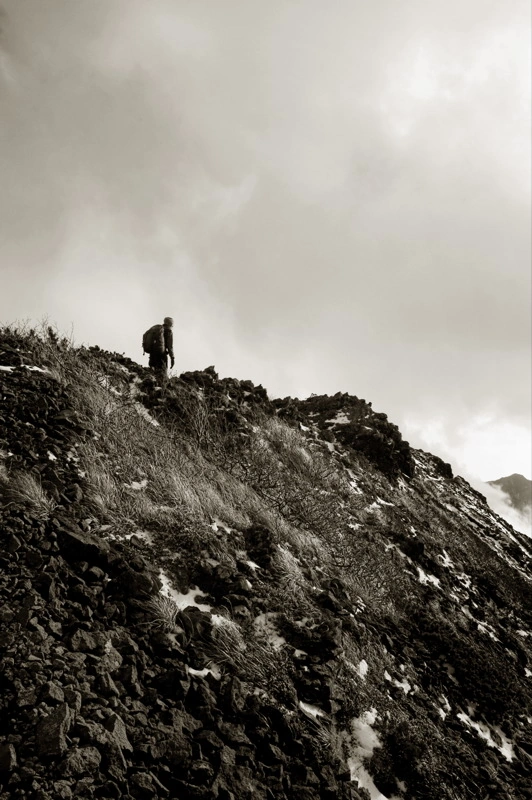
This time, I decided to lean toward the "easy" hike and follow the ridge to Hayakawaone Hut. I would save Kita-dake, Ai-no-dake, and Senjō-dake for another time - maybe when Tomoe can join me.

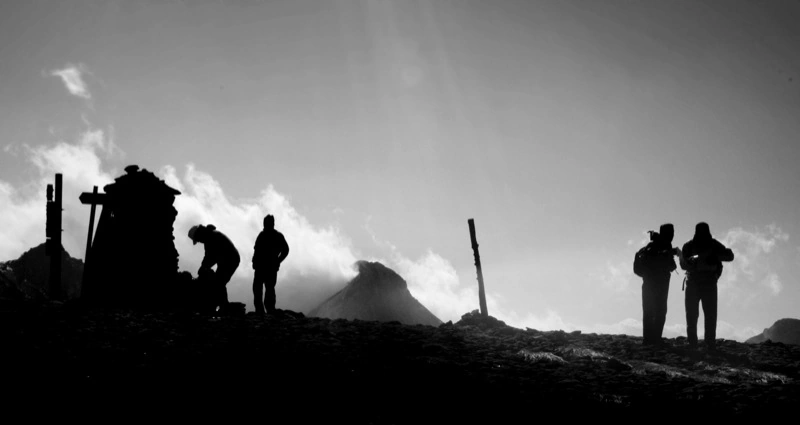
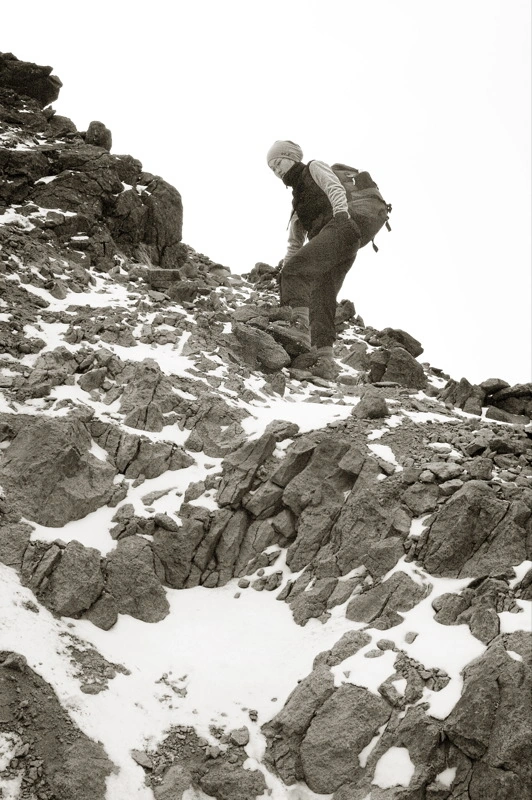
Still, I bagged Houzan, one of Japan's 100 famous mountains, and tomorrow I'd reach Kaikoma-ga-dake at 2967 meters.


The Hut, the Beer, and the Sunset

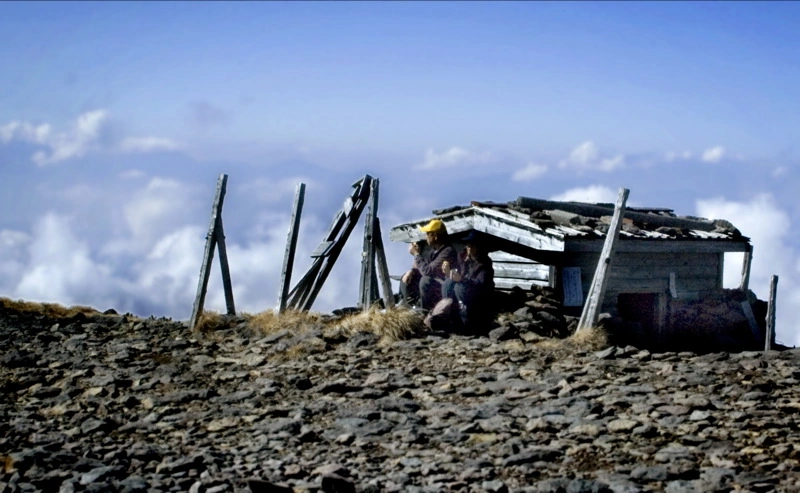
To top it off, the hut was technically "closed" but left unlocked - and someone had stashed a couple cases of beer chilling in the cold mountain air. I left ¥400 for one and enjoyed a leisurely dinner while watching the sun set.
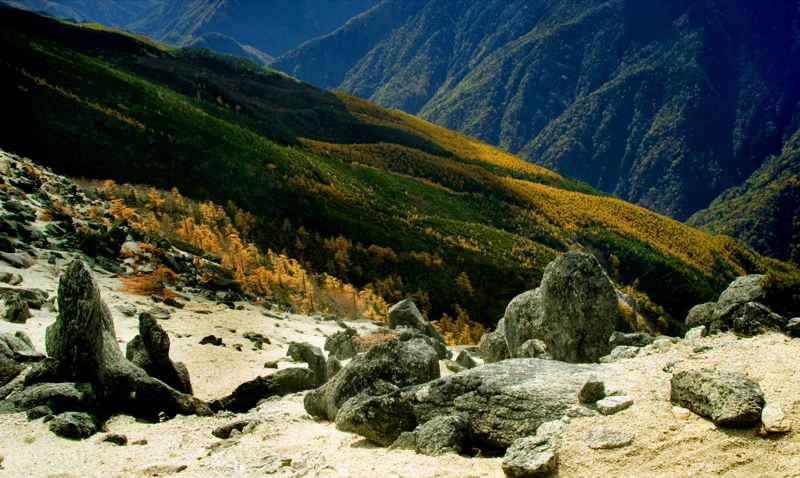
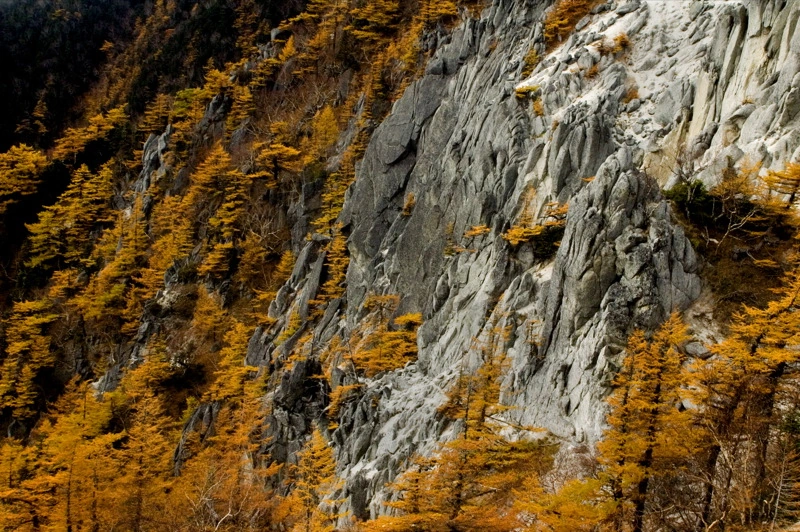
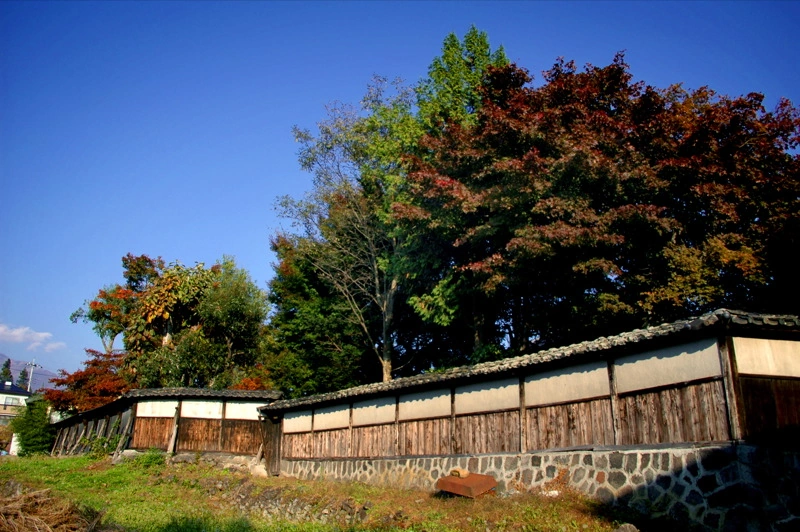
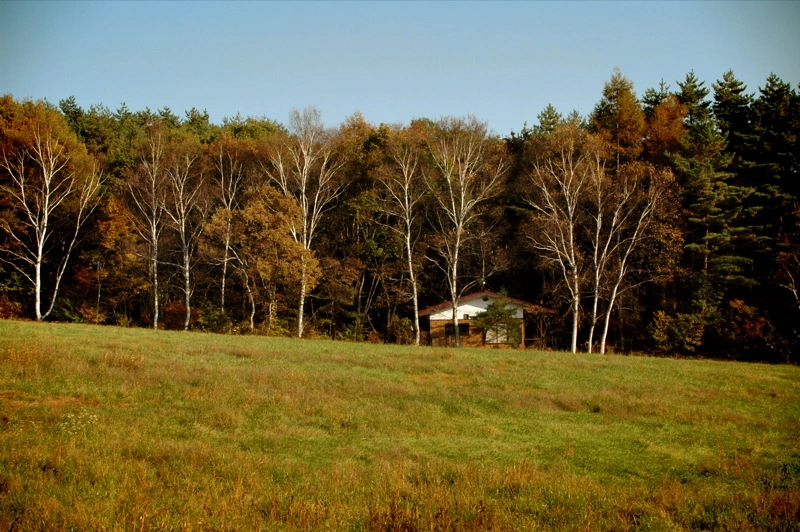
Kobuchizawa in Autumn


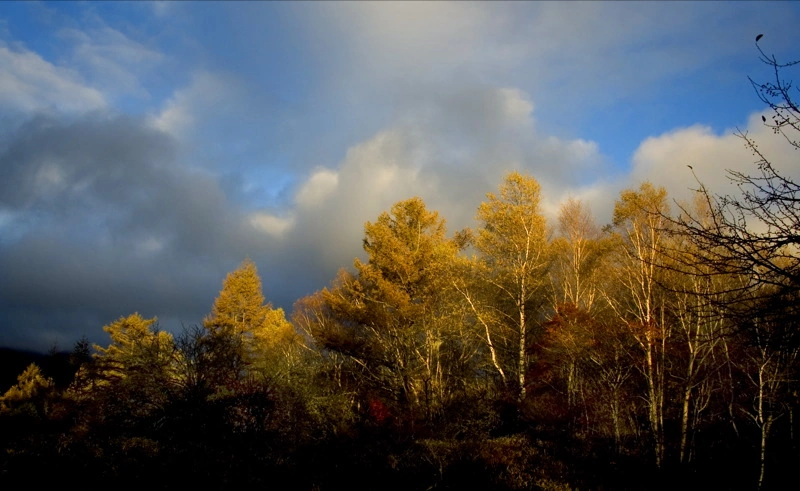
Passed by Kobuchizawa in Nagano by bike the other day. Just stopped to take a break, and snap a few shots

Yastugatake Hike Photos


Against my better judgment, I spent several hours working on the remaining photos from Tomoe and my recent trip to Nagano's Yatsugatake

Don't worry though, I did spend most of the day doing real work... I just think I should have done more of it (as does the client, I am sure).

On the other hand, there was really no choice. These photos were waiting to be processed, as are photos from this weekend when a visitor from Malaysia
here for a "luxury" bike tour of the Chichibu area of Saitama. (I use the word "luxury loosely).

A week from Thursday I will be off hiking again for four days, undoubtedly accumulating more photos that have to be processed. I have come to realize that the hiking itself is almost the most time consuming part of the the work - its the time processing the photos I took on those hikes that will really drive me into homelessness. Oh well, maybe I can live in this emergency shelter atop the mountain

Preparation for an Epic Hike in Japan


One of the reasons I have been hiking so much lately that Tomoe is suddenly "into" it as well - and that she is currently self-employed as well.

While I was truly feeling tremendous anxiety about "playing too much" last weekend when we went to the Yatsugatake, I also realize that a situation in which both of us have relatively free schedules does not come along all that often. I would be a fool to not take advantage of it. I can work next week/month/year. (We're planning a four-day hike to Okutama or Tanzawa next week as well.)

Today I showed Tomoe the PCT through hike videos I linked to yesterday
(incidentally, I posted the wrong link yesterday. It is corrected). She has been dreaming and talking about doing an "epic" hike around or across Japan some day and I wanted to fuel those dreams in her.

It was also meant as a reality check for her as to what an "epic hike" would require physically and mentally. When we hike she is much more... relaxed about pace vs. available daylight than I am. This alone is not a problem, but it becomes one when I plan the day's course. I plan a short course to take into account her speed, but when she sees it she proclaims it boring - lacking challenge. If I plan a longer day, she later complains that we are too rushed to make it to camp by night.

I am glad that even after watching the hardships those guys on the PCT went through, she is even more psyched to hike across or around Japan some day.
Not that it will happen soon, mind you, as my big dream idea is going well and about to break forth into the next level (at which time I will share it with those readers who don't already know about it).

While it includes what could be considered a summer of "play" for me next year, it also means that I will be busy all summer with real obligations - and no free time to make Tomoe's epic dream hike.

Traditional Food & Culture Books in Kichijoji

Just when I thought I had run out of things to do instead of work...

Today Tomoe and I took a ride to Kichijoji, where Nobunkyo, a Japanese publisher of books related to agriculture and traditional Japanese culture, has a library.

I've seen some of their books in stores or on the shelves of organic farms and cafes I've visited.

There are two series in particular that I had considered buying in the past - but given my budget and the fact that I have enough trouble sticking to a book in English, let alone a whole series in Japanese, I always talked myself out of it.

This time, however, since it's free, I brought a couple home.


Great Book Series for Language Learners & Culture Lovers

If you're learning Japanese, I highly recommend the つくってあそぼう (Tsukutte Asobou) series of children's picture books. They tell the stories of popular foods in the context of Japanese culture and history.

Today I borrowed:

  • なっとうのえほん (Nattō no Ehon)
  • そばのえほん (Soba no Ehon)

I've only been back from the library for an hour, but I'm already practically a professor of Nattology. I can't wait to get to the books about tofu, mochi, and miso.


Another great series: 昭和のくらし (Shōwa no Kurashi) - a photographic documentary of life during the Shōwa period. The volumes are broken down by theme:

  • Farm Village Life
  • Fishing Village Life
  • City Life
  • Children, etc.

And finally, there's 日本の食生活 (Nihon no Shoku Seikatsu), or Japanese Culinary Lifestyle. This series has one book for each prefecture, diving deep into traditional local foods - how they were prepared, and why. It's incredibly detailed.

This is actually why I went there in the first place: as part of my big dream project, I needed to do some research on traditional foods from the Chichibu area of Saitama.


With so many great books in that library to read, I won't have time for work until at least 2009.

Hiking in Yatsugatake


For lack anything more interesting to post, and with my apologies for posting too much about "hiking" lately...

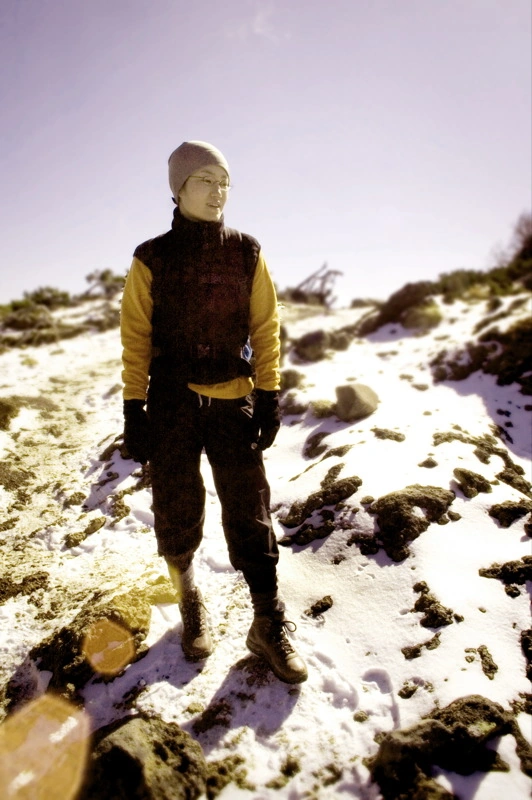
Please enjoy these photos from a recent trip to the Yatsugatake.

Perhaps someday I will find the time to finish my Minami Alps hike commentary - I sure have enough photos to share...

Want to See It with Your Own Eyes?

If these photos have you imagining yourself here - riding past rice fields, soaking in onsen towns, or just slowing down somewhere real - reach out for a free consult. We’ll help you figure out where (and when) this kind of Japan can fit into your trip.

Contact One Life Japan