s
Rural Japan in November

A Place For Shelter?


I have a customer who ordered a customized budget self-guided bike trip from here to Hiroshima or Kyushu if time allows. The estimated one-month trip will have her camping out in parking lots and parks for much of the journey

I just received a message from her telling me she is spending the night in a McDonalds, as she lost the map I sent with her (this was pre-smartphone and google-maps era) and ended up in a very urban area with few tent-friendly locations. Of course, when riding across Japan, a great strategy is to stay in small villages such as my own, and look for small shrines.

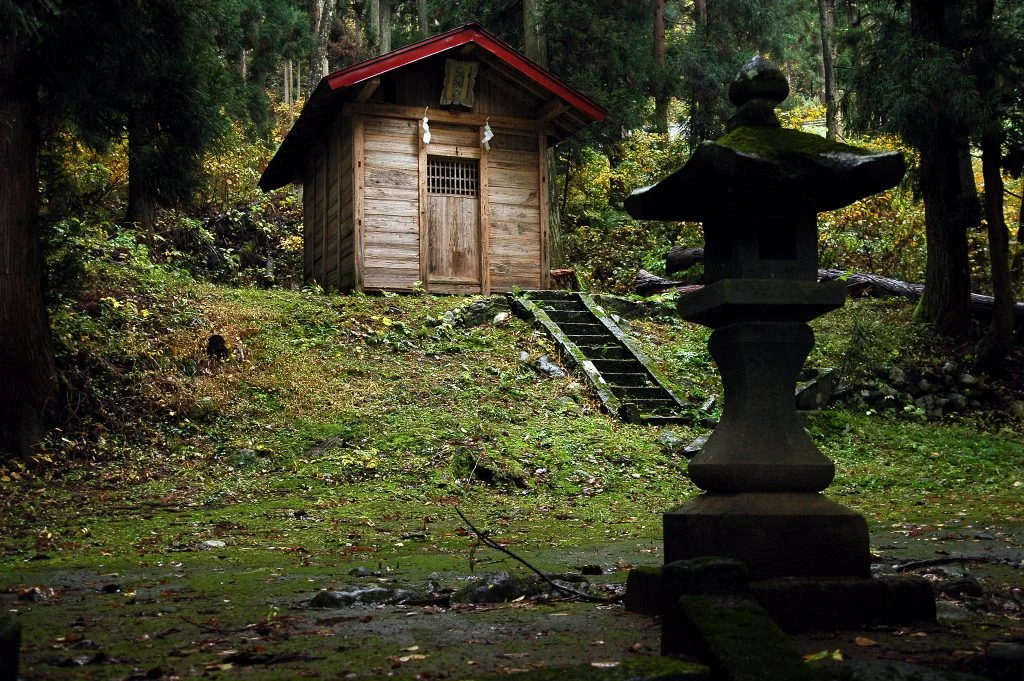
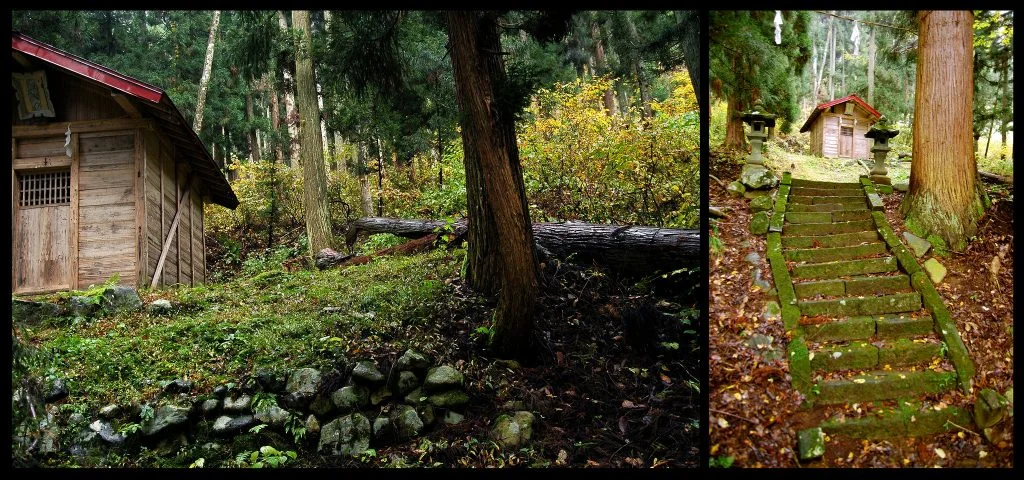
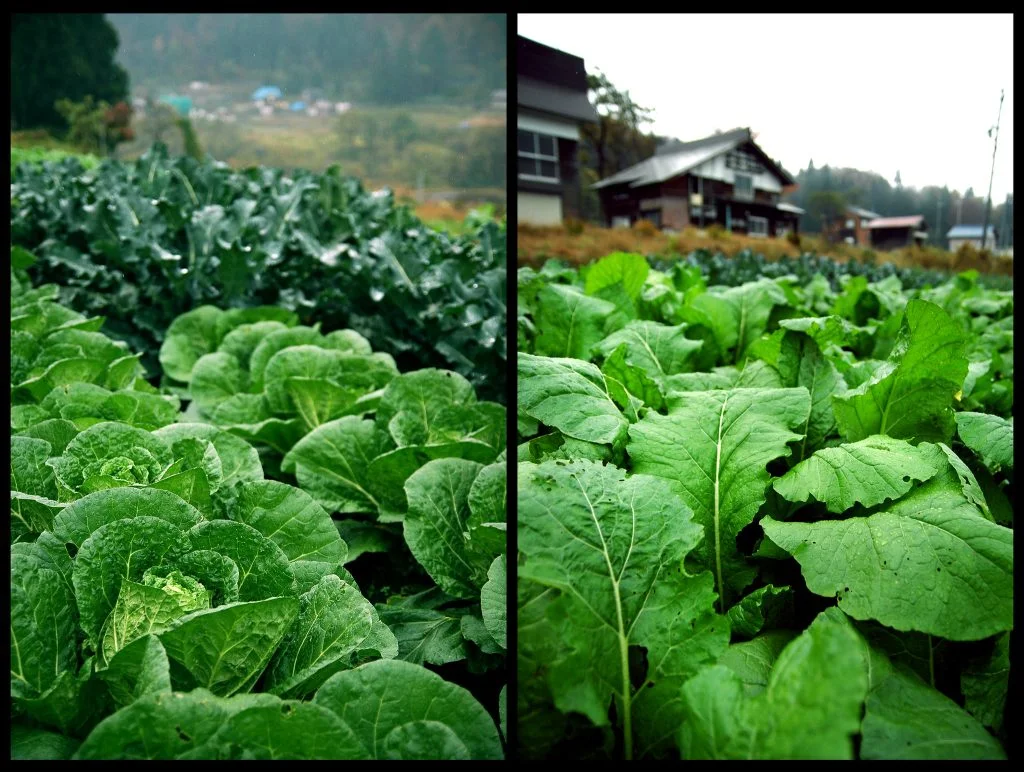
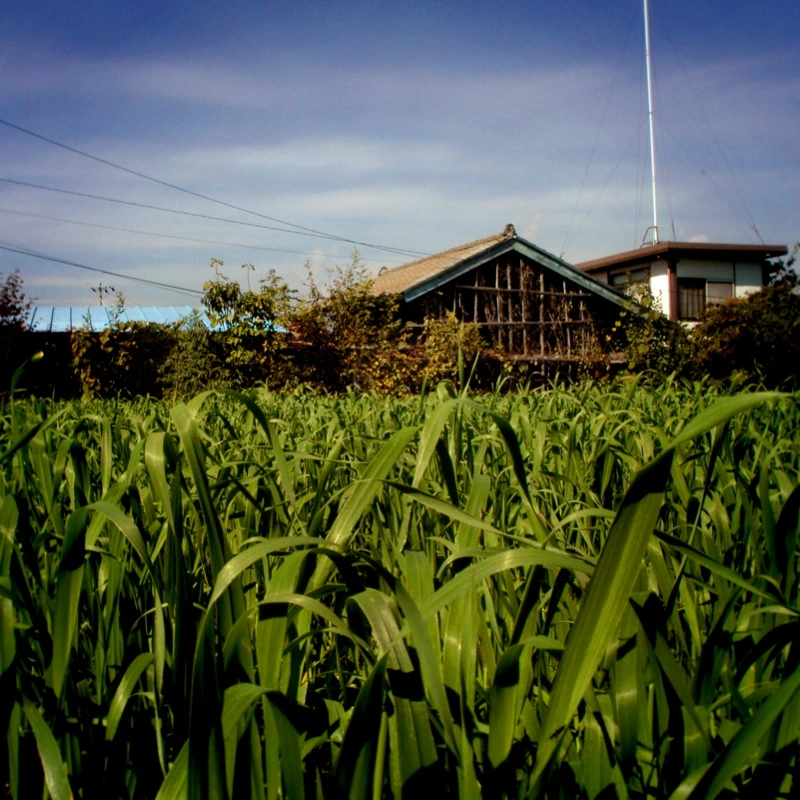
If one happened to be passing through our hamlet, and for some reason couldn't or didn't want to stay at our home, you could sleep very soundly the shrine in these photos (just one of four) small shrines with unlocked doors and tatami floors. It would keep you out of the wind and rain, and it is only a ten minute walk to a great hot-spring.

Late Fall in Tsukioka & Kotaki


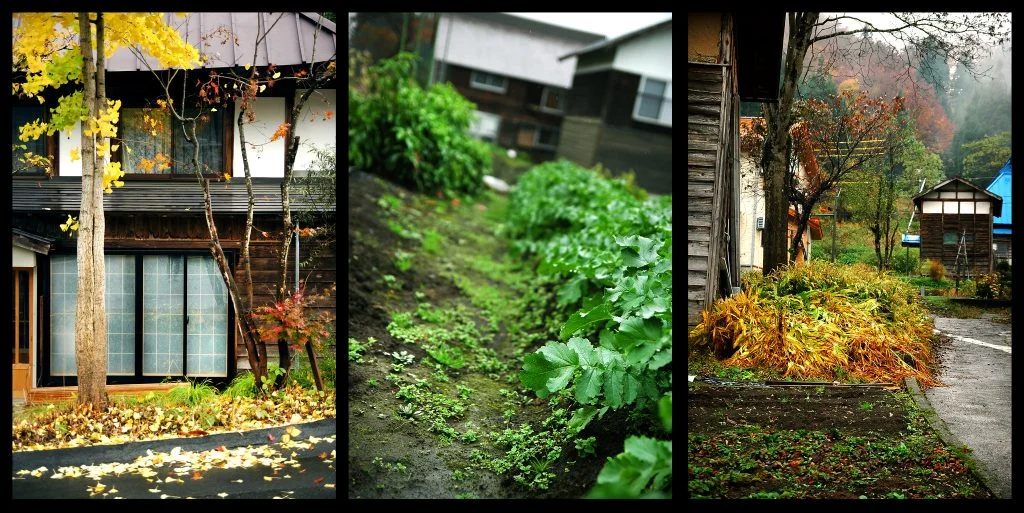
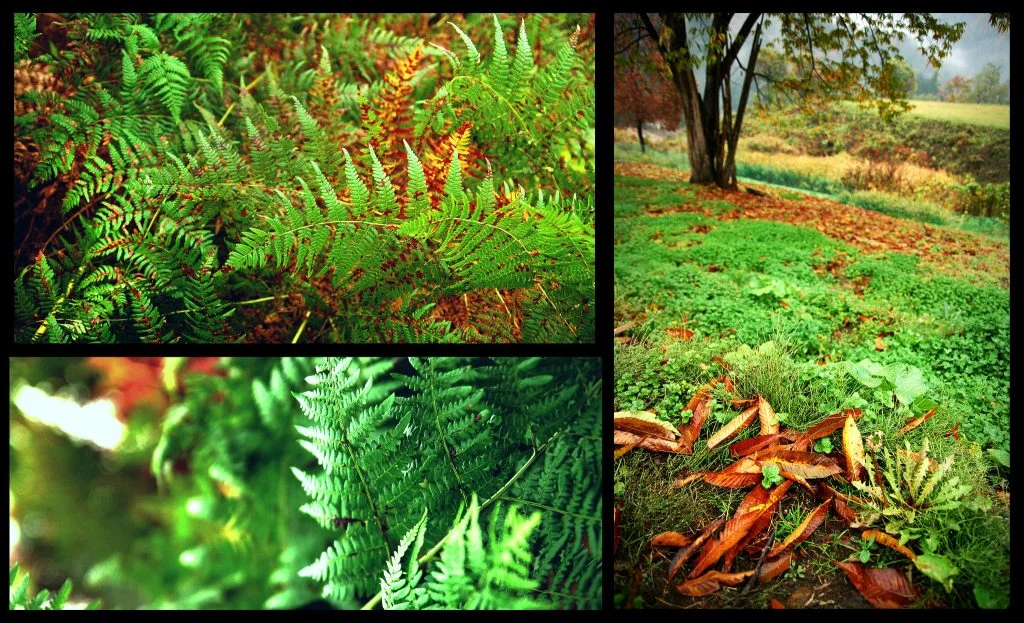
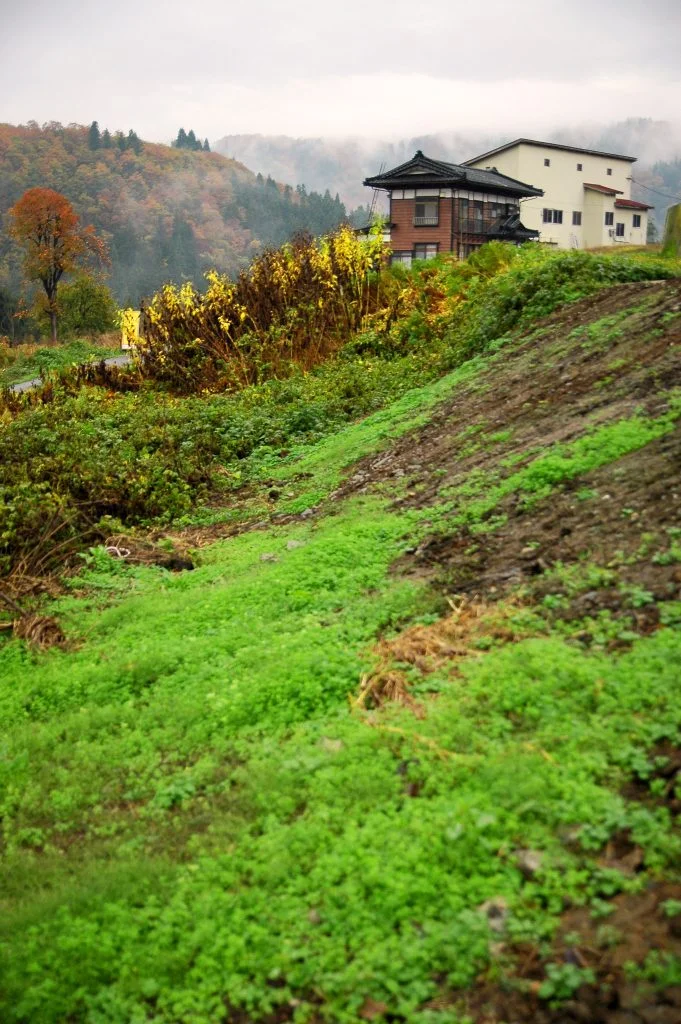
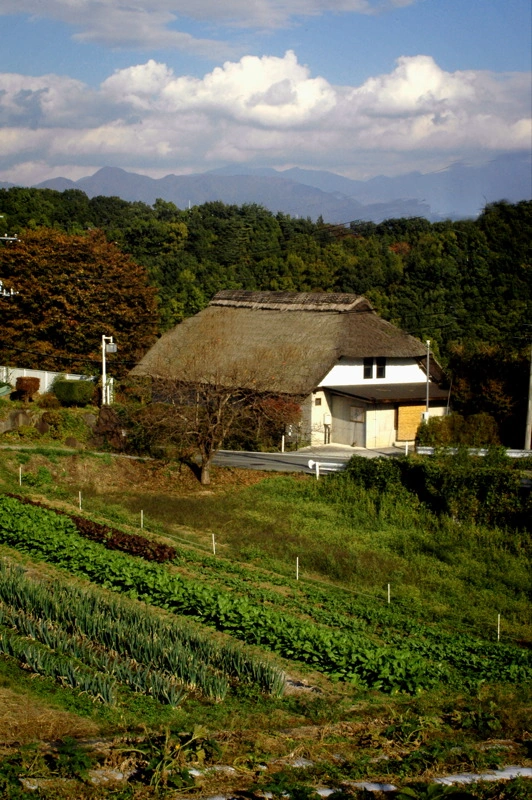
Not sure how it happened, but I seem to have completely missed the peak of fall colors here. Partly I was busy trying to look busy for our helper John. It was tough (in a good way) because I didn't want to look lazy, so I had to keep both he and I busier than I usually am when I am working alone, but when you have two people working on something that usually takes a full morning, it gets done in a half-morning and then you have to find some other chore to fill the gap that you would normally use to just take a nap.

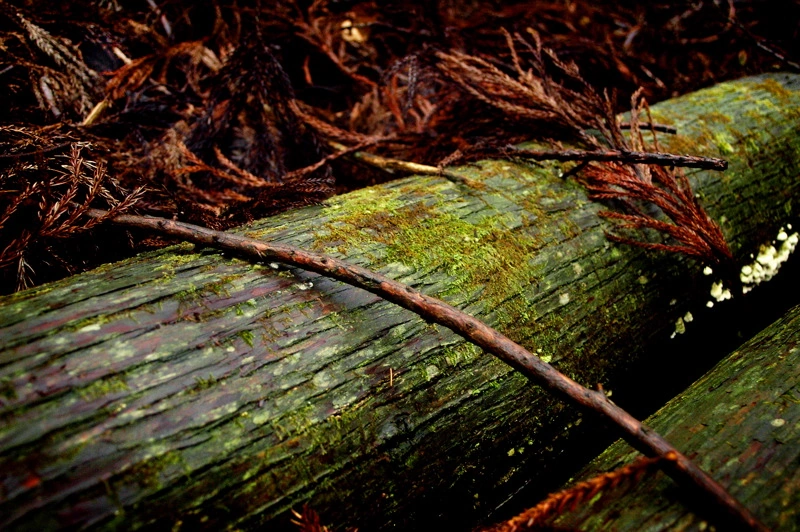
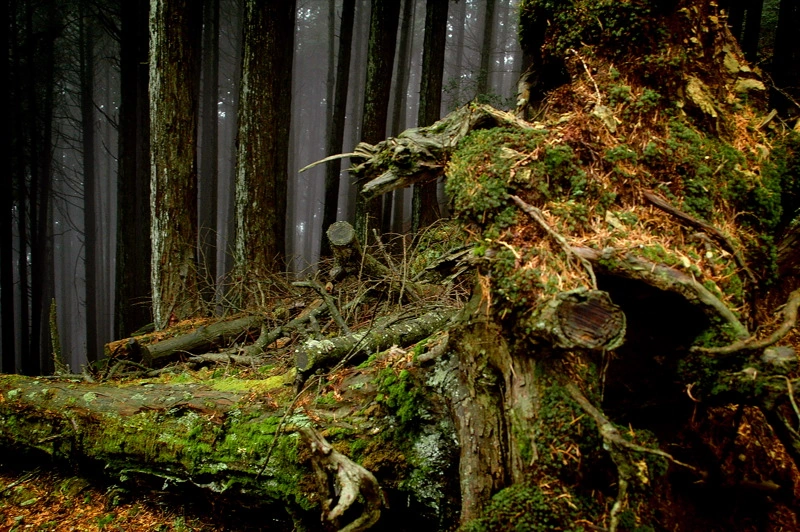
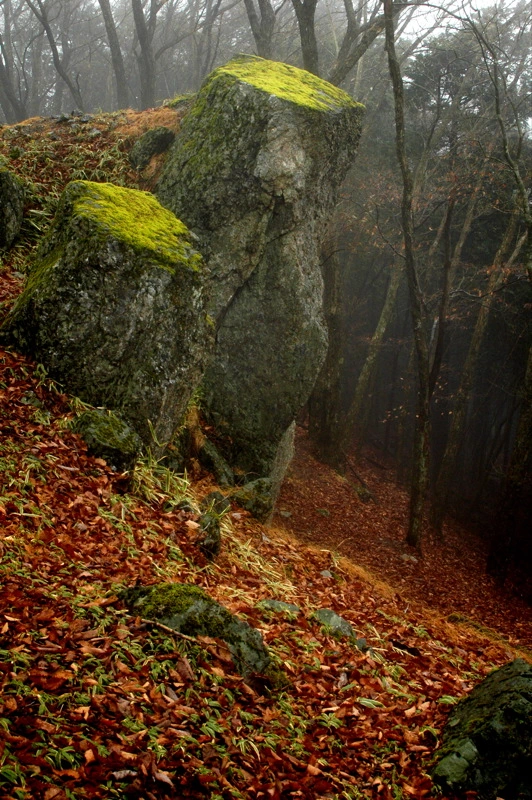
Here are a few shots from nearby the house on Sunday morning.


November Hike in Okutama, Tokyo


We made it back from our hike in Okutama alive.

The first night was a challenge for Tomoe, who has troubles with cold. Despite being in a hut, out of the wind and waves, she was wearing all of the clothes she brought (4 layers?) as well as her own rain gear and mine.

Somehow she still claims to be have been cold. I, on the other hand, was sweating in my "summer" sleeping bag.

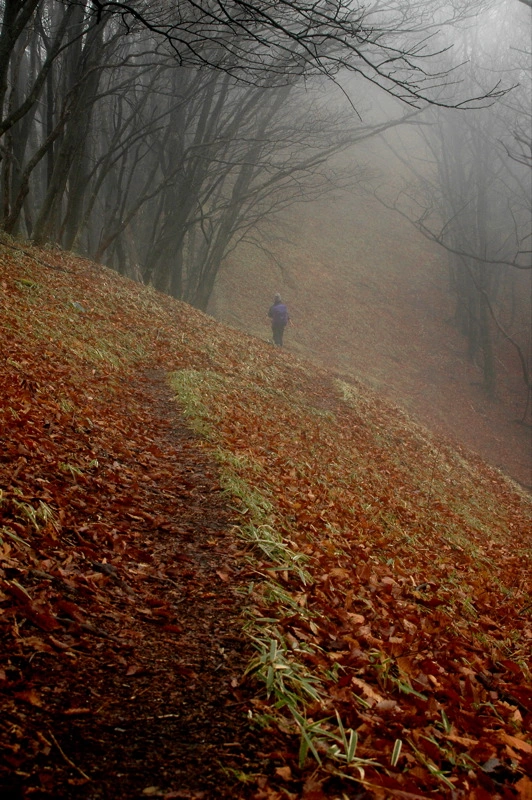
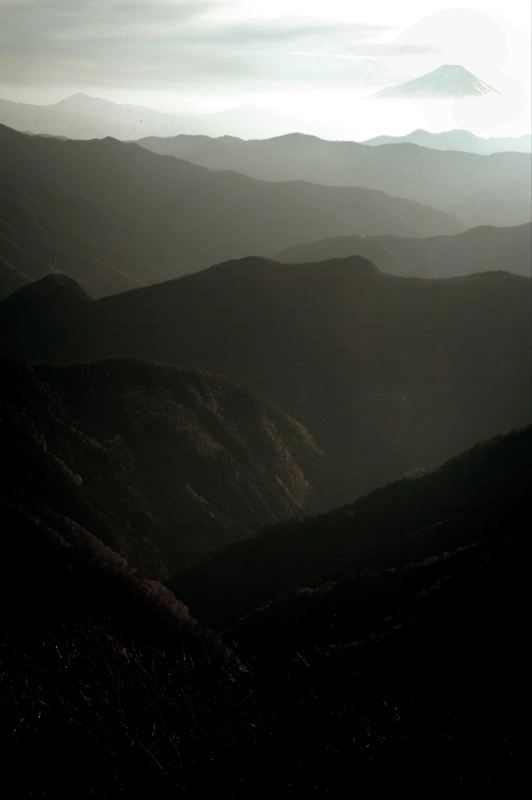
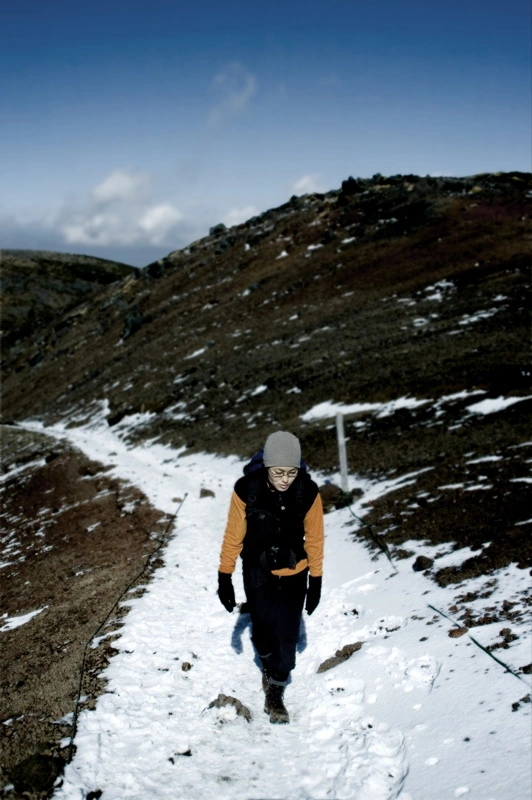
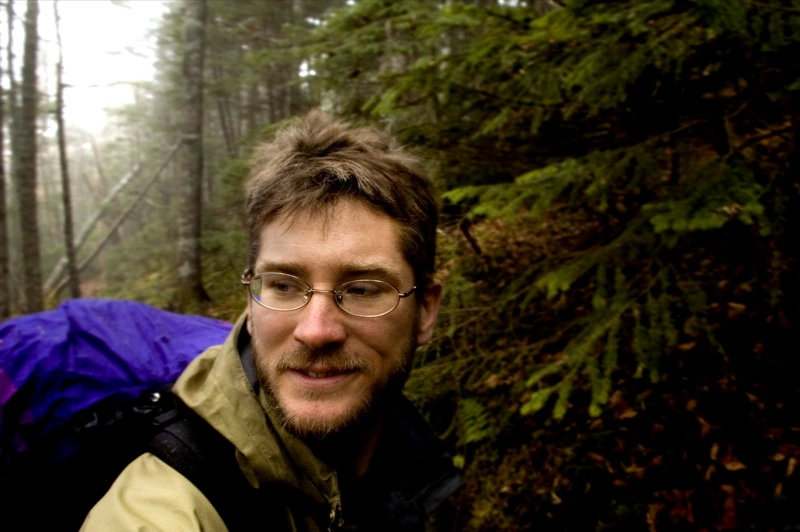
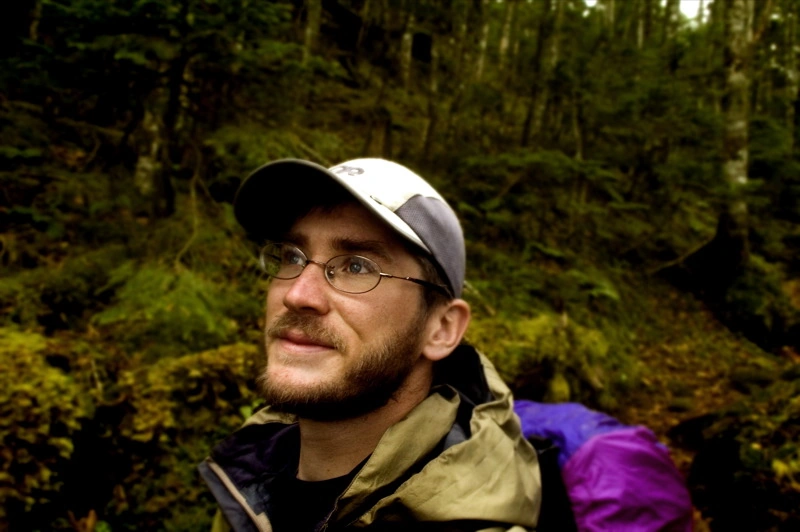
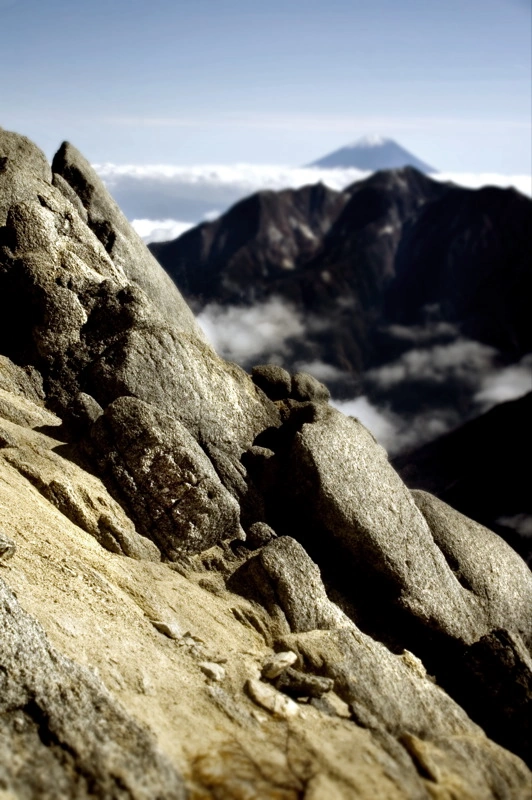
It was a great hike, and I am sure we will be back (planning to go back next week). HIghlights included great (free) huts, amazing sunrise views of a snow-capped Mt. Fuji, rain in the morning, and beautiful fall colors (still).
More about that later?


Okutama Overnight HIke Invite


Anyone out there want to go hiking for two days in December (9–10)? If so, let me know! - [email protected]

When: December 9–10 (Saturday & Sunday)
Where: Okutama (starting at Hatonosu Station on the Ōme Line, ending at Okutama Station)
Cost: ¥1,900 round-trip train fare from Shinjuku
¥780 for the onsen after the hike
Difficulty: Strong beginner - 6–9 hours of hiking per day on occasionally steep trails
Meet: 8:30 AM at Hatonosu Station (Ōme Line)
Group Size: 6–7 is ideal (better chance everyone can fit in the hut), but I'll be thrilled to get even one other person


There's a beautiful section of trail Tomoe and I hiked down last weekend that I'd like to go up this time. We'll stay at the lovely Ippaisui unmanned hut, conveniently located about six hours from the trailhead. This section doesn't see as many hikers as those closer to Okutama Station, so I'm guessing there'll be space for five or six people. Just in case, I'll bring my tent and sleep in it if there's not enough room (self-sacrifice!).


What to Bring

(If you don't have something but want to join, let me know - we can probably work something out.)

Water

At least one liter for drinking - two is better. Also bring water for cooking dinner at the hut. There's no water source near the hut, so we'll need to fill up in advance.

Snacks & Lunch

Non-cook lunch is best. The days are short and the hike is long (6+ hours), so we probably won't want to stop and cook. Bring onigiri, crackers, peanut butter, etc.

Dinner

My stove can only cook for two, so everyone should plan to bring and cook their own meal. Sharing is fun, but count on being self-sufficient for dinner.

Sleeping Bag

You'll want a sleeping bag and pad. The hut is warmer than outside, but unless we fire up the stove (who wants to carry wood?), it's still cold. Last weekend, I slept in three shirts, a fleece, long underwear, and fleece pants - it was perfect. Tomoe wore both her rain gear and mine to bed.

Clothes

Sorry, the nude hike was in August. This time: bring clothes. Layers are key, and definitely pack a warm, dry change of clothes for the hut. I usually hike in two synthetic lightweight shirts (one long-sleeve) and change into fleece at night. I also bring an extra long-sleeve shirt in case of rain. Fleece pants or sweatpants help stay warm at night.

Rain Gear

'Nuf said.

Footwear

Not sure crampons will help much, even if there's snow. There are some steep muddy sections - I slipped a few times - but otherwise, my low-top boots were fine (though my feet got a little wet). If there's snow or ice and crampons would help, we can do a "you climb first and pass them down" system if you don't have any.


Okutama Hike: Chasing One More Hyakumeizan


The last two times I said "last hike of the season", but we're baking up a fresh batch of homemade granola again, so I won't say it this time.

This Friday, we'll head out to Okutama for a three-day, two-night hike. The distances are a bit ambitious so that we can stay in unmanned huts at night. It might cause a fight with Tomoe, but the way I figure it: we can either fight about not having enough time to take a three-hour book-reading-under-a-tree break, or we can fight about her being freezing cold at night.

I'd rather it be the former.

(Of course, we also have an alternative route that ends near Chichibu instead - a little less convenient, but it would mean a shorter second day.)


Why Okutama?

Okutama is quite close to us here in Tokyo and very inexpensive to get to - which also means it's usually pretty crowded. We're hoping that this weekend's cloudy and rainy forecast, combined with the in-between seasons timing (no fall colors, no snow yet), will mean we'll have room at the huts.

Although it wasn't our main reason for choosing this route, this hike will also knock off another one of Japan's Hyakumeizan (100 Famous Mountains):
Kumotoriyama.


And just when I'd almost run out of hiking and mountain photos…
Looks like the reader will have to endure at least one more month when I get back.

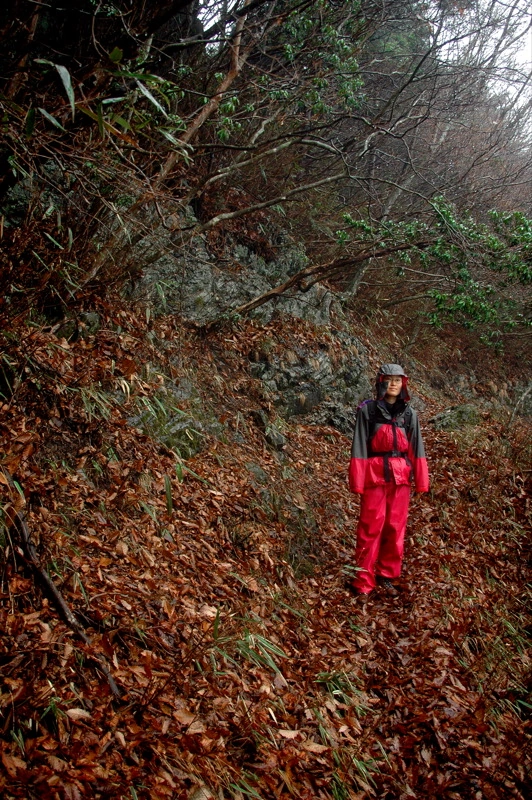
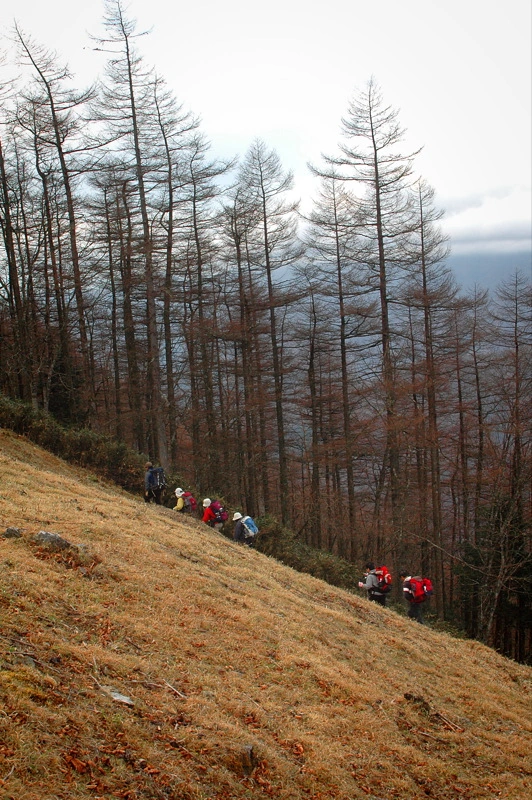
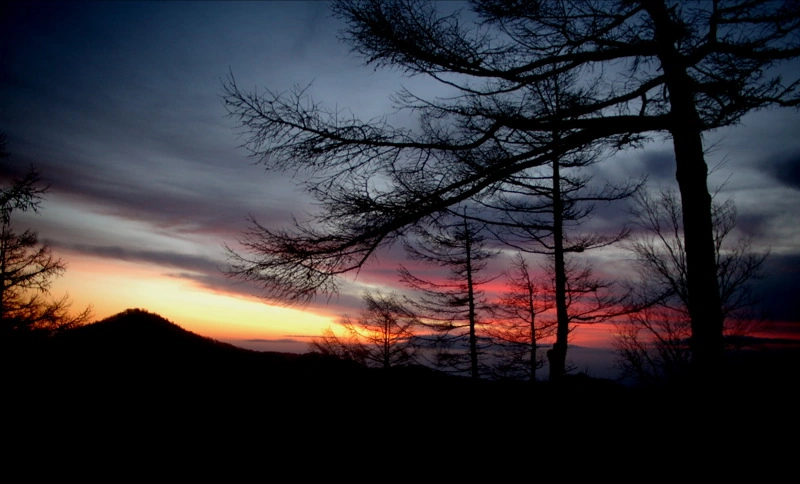
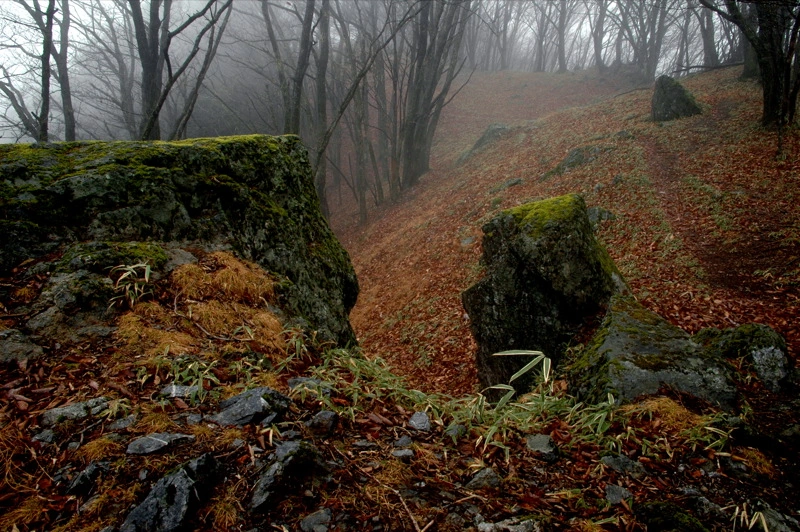
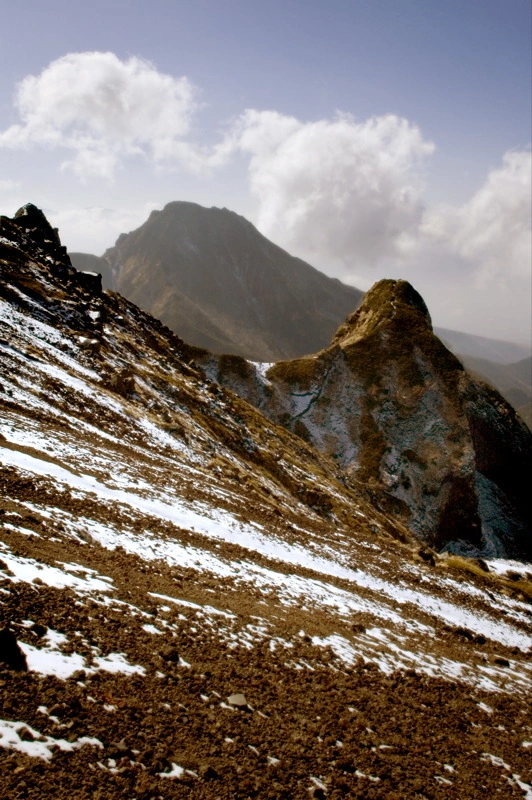
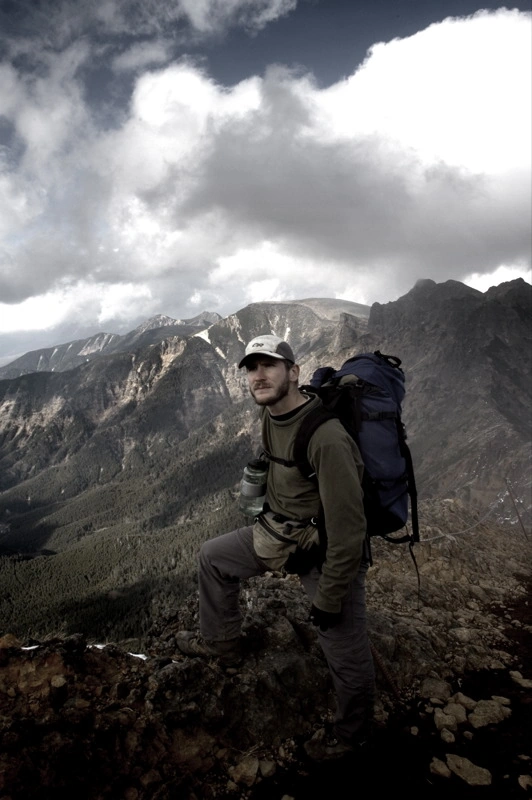
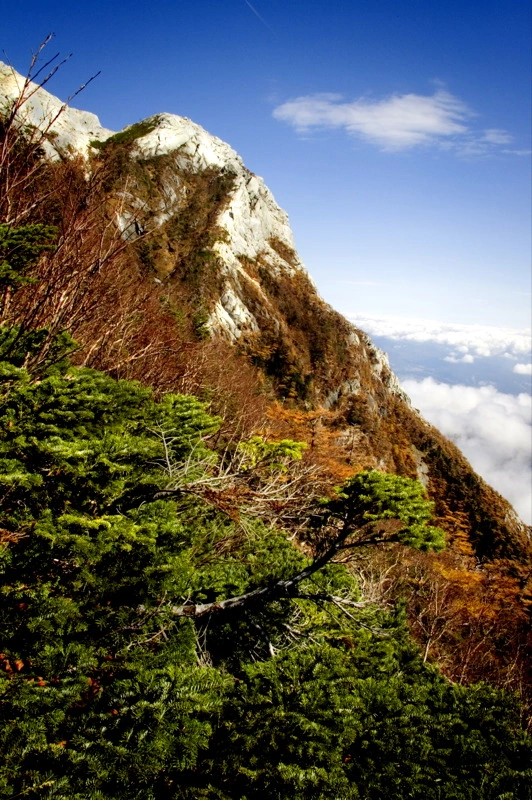
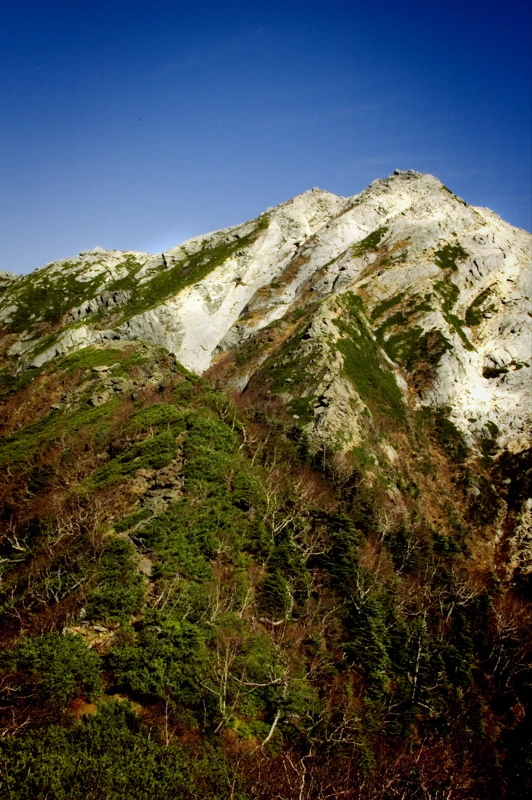
Note: These photos are not from Okutama. They're from our hike in Japan's Yatsugatake a few weeks ago.

One Life Japan


I don't remember where I heard it, but there is an Chinese saying - "Be careful of where you walk, or you might end up where you are headed."


Minami Alps Hike Day 4: Year of the Panda


I awoke in the morning filled with regret. Had I really given in to momentary weariness, wussed out, and cut half of my trip - just because I didn't want to "go down and back up"? I felt as though I wasn't even worthy of the piece-of-crap, fallen-apart-after-one-summer, cheap-ass boots I was wearing.

How could I make up for this?

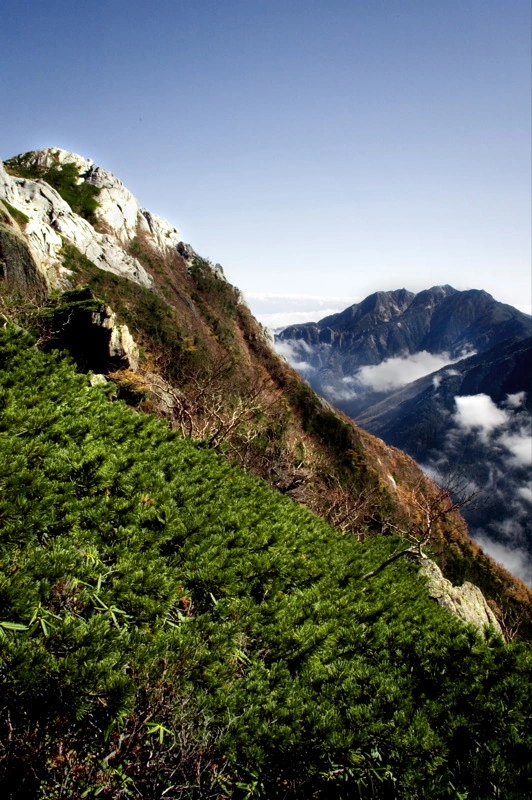
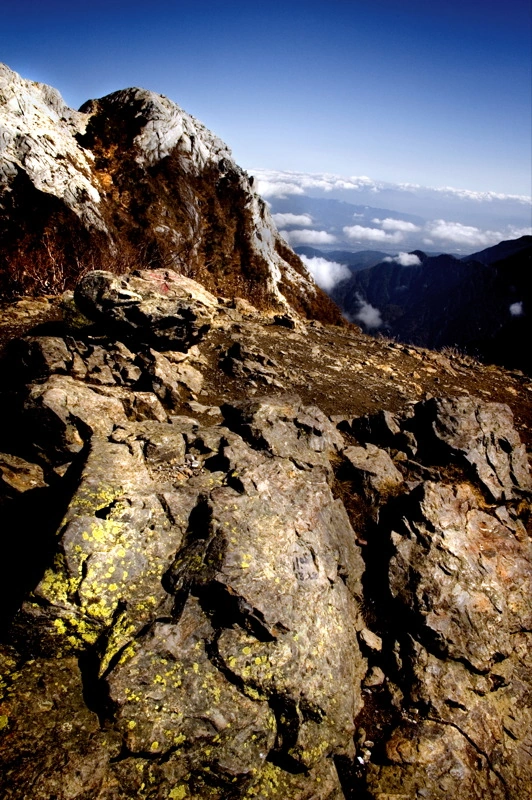
Starting just before sunrise, hoping to reach the next clearing in time for some early light photos, it soon became clear what I could do to feel good about myself again: just keep hiking. What I hadn't realized was how much elevation gain and loss there actually was along the ridge between Hoouzan (2840m) and Kaikomagadake (2967m). It was far from "wussing out." It was also extremely beautiful.


By noon I had taken at least twenty photos of Kaikomagadake. Every time I reached a clearing, it looked different - better, more beautiful than before. I had fewer photos of Kita-dake and the area I'd come from - not because they were less spectacular, but because the low southern sun made everything into silhouettes. If I had followed my original plan the day before, I would have missed this section of trail entirely.

A Panda in the Southern Alps?

As I began my descent of Kaikomagadake, I thought the highlights of the day were behind me. But I was wrong.

Somewhere along the way (I remember the exact location, but I'm withholding that information in the name of endangered species preservation), I heard a strange sound - something between a half-bark and a half-howl. Definitely not a dog.

I slowed down, trying not to startle whatever it was. Then, in a clearing, I saw it: a panda bear - right there in front of me.

Granted, it was moving quickly into the woods, but what else could it have been? So big. So fluffy. So unmistakably black and white.

It paused just at the edge of the forest, shadowed but visible. I approached slowly, managing to get within about fifteen meters before it made its escape, clambering down a steep slope into the valley below and out of sight.


I spent the rest of the evening wondering what it all meant.

Had a panda escaped from a zoo? Surely I'd have heard about that.

Or was this something else?

A long-lost relative of the pandas in China - survivors of a time when Japan, Korea, and the mainland were still connected? Given the steep, remote terrain, it's possible a small population had survived for thousands of years without discovery... until today.


But now I face a dilemma.

If I publicize what I saw, I might become famous. They might even name this species the Japanese Cameron Panda. But doing so would almost certainly guarantee their extinction, as thousands of tourists would descend on this remote habitat, destroying what keeps them hidden and safe.

On the other hand, if this is a new species, isn't there an opportunity here for study, awareness, and maybe even protection?

What would you do?

Want to See It with Your Own Eyes?

If these photos have you imagining yourself here - riding past rice fields, soaking in onsen towns, or just slowing down somewhere real - reach out for a free consult. We’ll help you figure out where (and when) this kind of Japan can fit into your trip.

Contact One Life Japan