Iiyama: Easy to Reach, Hard to Beat
Iiyama's the kind of place that people pass by on the way to more famous spots - Kanazawa, Nozawa, the monkey park - but I always end up spending more time here than planned. The temples, the snow, the way the streets feel in winter… it's quiet but not empty. Easy to reach, and easy to enjoy without needing a checklist.
It's my top recommendation for people who want to see real Japanese countryside. It's not just because our base is in the next village over and it's a major part of the trips we lead in this region - though that's part of it - but because even when I'm not guiding, I can't think of many better places to send someone who wants to experience rural Japan without straying too far from Tokyo.
It's under two hours from the city by bullet train, but for a long time it was overlooked as just a small stop on a slow local line. Since the new station opened in 2015, Iiyama has been promoting more, especially its year-round, family-friendly outdoor activities. But it still is, and feels like, a small mountain town. Even in peak seasons, you're more likely to see locals going about their lives than tourists ticking off a checklist.
Wandering Temples and Streets with No Plan
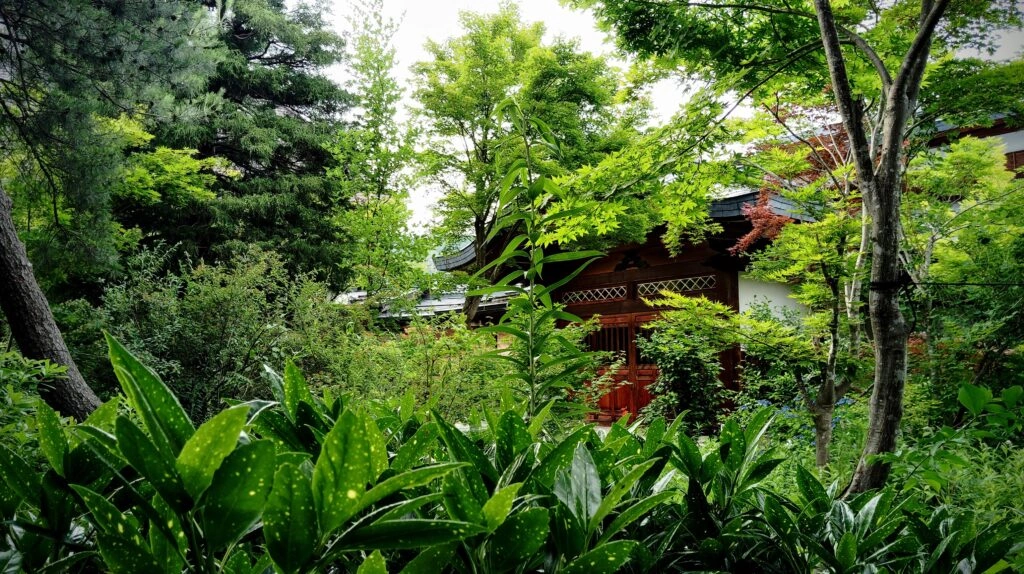
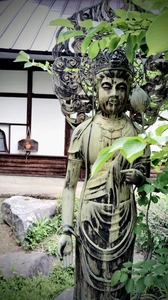
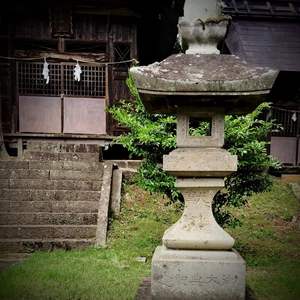
The heart of the town is walkable, and the old temple district alone can easily take up a day. You don't need a plan. Just start walking and you'll pass a dozen or so temples, each with its own feel. The town is also known historically for its street of butsudan (Buddhist altar) shops that sell and repair people's family altars from around Japan.
You can also visit the Takahashi Museum of Doll Art, which is well-known within Japan. Japanese visitors are often moved to tears seeing the incredibly detailed miniature scenes of nostalgic country life.
From Town to Farmland - and Beyond
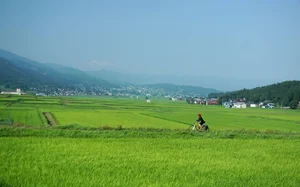
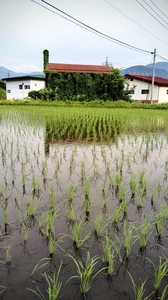
And that's all within walking distance. Get on a bike, and in just a few minutes you're out of town, surrounded by rice fields and farm roads. The terrain is surprisingly accessible - flat or gently rolling if you want, steeper if you're looking for a challenge, all on roads where the most traffic is just farmers in little white pickup trucks.
Iiyama is also the main hub for reaching nearby spots like Nozawa Onsen or Madarao, especially popular in winter when Iiyama, the heart of Japan's Snow Country, gets buried in snow. I'm talking meters of it. Snowbanks taller than people.
Keep riding and it gets even more rural as you pass through hamlets and forested valleys on your way to Sakae Mura - where One Life Japan has been based since 2007.
A Worthwhile Stop Between the Highlights
If you're heading to Kanazawa, Iiyama makes a natural stop. It's not built around tourism - which is exactly the point. It's for people who don't mind slowing down and letting a place sink in. There aren't as many fast-tourism highlights, but if you want a glimpse of how rural Japan looks and feels, it's hard to do better.
What About the Typical “Must See” Countryside Destinations?
The typical stop social media and mainstream tourism currently promotes as "real rural Japan" is Takayama, often paired with Kanazawa as the "alternative to Kyoto."
Takayama is beautiful, yes. But its popularity has taken a toll. These days, it feels more like a version of rural life presented for tourists. It's polished, packed with tourists, now more than ever.
Iiyama and the villages around it maintain their genuine country feel. People live here, not just work in tourism. Unlike places that revolve around carefully staged "old town" zones, Iiyama's history is part of everyday life. Streets like the butsudan road has cultural weight, but they're still used by locals. It's a countryside town first, not a museum.
Kanazawa, meanwhile, gets called a hidden gem, but let's be honest. By now it can decidedly be considered an offshoot of the Golden Route. It has plenty to offer, but it's not exactly off the beaten path anymore.
To be fair, I really like Kanazawa. For me, it's a fun trip to the big city - a quick shot of vibrant urban life and excitement to contrast the slow, quiet everyday village life near Iiyama.
If you have time to see both, go for it. You won't regret. But if you're choosing between them, I feel confident recommending people swap Kanazawa or Takayama out of their itinerary in favor of Iiyama and its surroundings. Unless there's something you're specifically excited about - perhaps Kenroku-en Garden - it will mostly be FOMO that draws you there.
In fact, the fear of missing out on those famous places is exactly what keeps Iiyama peaceful and uncrowded. People aren't afraid to skip places they've never heard of - but they are afraid to skip the ones they have. That's what makes Iiyama special - and what most people miss out on.
Impressions from Around the Web
A summary of what is said about Iiyama from other resources
Nature & Outdoor Activities
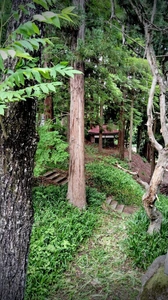
Iiyama is often remembered for its striking seasonal contrasts - lush greenery in summer, fiery colors in autumn, and deep, powdery snow in winter. It's a favorite among those who enjoy outdoor adventures but prefer a quieter, more rural setting. In the warmer months, the area offers forest hikes, scenic cycling routes, and peaceful walks through farmland and along the Chikuma River. In winter, visitors come for snowshoeing, fat biking, and relaxed skiing on uncrowded slopes.
Local Culture & Spiritual Traditions
The town is sometimes called "Little Kyoto" for its concentration of temples, narrow streets, and preserved atmosphere. Traditional rituals are still practiced here, and the blend of Shinto and Buddhist sites adds depth to even a casual stroll. There's a quiet, lived-in sense of spirituality that resonates throughout the area, especially in the snow-covered months.
Rural Life & Food
Meals tend to be simple, fresh, and made with care. Many guesthouses and inns serve seasonal dishes prepared with vegetables from their own gardens or local farms. Dishes like soba, miso-based soups, and sasa-zushi (sushi served on bamboo leaves) give a sense of the region's agricultural roots. The atmosphere in these places often feels more like being invited into someone's home than visiting a restaurant.
Hot Springs & Slow Moments
The hot springs around Iiyama are valued not just for the water, but for their quiet settings - often surrounded by forest, farmland, or views of the river. Whether soaking in an outdoor bath, sipping tea in a quiet inn, or learning a traditional craft like metal carving, the pace is unhurried. Visitors often describe a feeling of calm that lingers long after they leave.
Access Without the Crowds
Though easily reached by train from Tokyo or Kanazawa, Iiyama feels far from the usual tourist routes. It's the kind of place where you can step off the Shinkansen and quickly find yourself in farmland, forest, or the heart of a small mountain village. For many, that balance of access and remoteness is part of its charm.
Getting to Iiyama
Iiyama is easy to reach, with direct access on the Hokuriku Shinkansen. Here's how to get there from major cities:
From Tokyo
Just under 2 hours on the Hokuriku Shinkansen. Get on at Tokyo Station, ride straight to Iiyama Station, and you're right in town.
From Kyoto / Osaka
The most efficient route is to take the Thunderbird Limited Express from Kyoto Station to Tsuruga (about 53 minutes), then transfer to the newly extended Hokuriku Shinkansen (Hakutaka service) to Iiyama.
Total time: about 3.5 hours
Cost: around ¥14,160
Transfers: One simple transfer at Tsuruga Station
Alternatively, you can take the Tokaido Shinkansen from Shin-Osaka to Nagoya (about 54 minutes, ~¥6,470), then transfer to the Shinano Limited Express to Nagano, and from there take the Hokuriku Shinkansen to Iiyama. This route can take around 5 hours depending on connections.
From Nagoya
Take the Shinano Limited Express from Nagoya Station to Nagano (about 2 hr 59 min), then transfer to the Shinano Tetsudo Kita-Shinano Line local train continuing on the Iiyama Line to Iiyama Station.
Total time: approximately 4 hr 20 min
Cost: around ¥8,050
Transfers: One easy transfer at Nagano Station
From Kanazawa
Just about 1 hour on the Hokuriku Shinkansen headed toward Tokyo. No transfers needed.
Not sure which route is best for you? Feel free to contact me with where you're starting
from and when you're traveling - I'm happy to help.