Gujō Hachiman: Not Hidden, Just Skipped
Gujō Hachiman is one of my favorite places in Japan that somehow manages to fly under the radar. It's not hidden in the sense of being remote or secret - it's actually super easy to reach. But when people are choosing between Takayama, Shirakawa-go, or hopping straight to Kyoto or Osaka, Gujō often gets skipped. That's a shame, because it's exactly the kind of place people say they want to find quiet - beautiful, walkable, and rich in local character without being overcrowded with tourists.
What Makes It Special
The town itself is small - in the best way. You can easily spend a full relaxed day wandering from up the hill to the castle and back down through the quiet streets. It has the same type of shops and attracitons as more famous places - washi paper shops, scneic canals, and museums dedicated to Gujō's month-long Bon dance festival. They are just on a smaller scale.
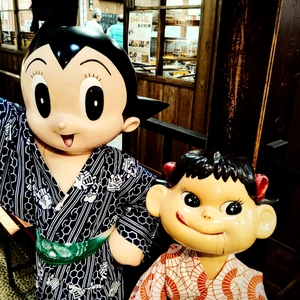
There's even the cool little retro museum and the plastic food replica workshop, where you can see how the realistic models in Japanese restaurant windows are made. Most people end up having fun making their own.
Gujō is hard to comprehend as a destination for many becuase it does not need an itinerary. If you try to manage it down to the hours, it seems like there is not that much, but that's part of its charm. You can arrive in the morning, do everything or nothing, and feel like you've really been somewhere.
A Breath of Fresh(er) Air
It's not a mountain town exactly, only just over 200m above sea level, but it's tucked into forested hills, far from the concrete and glass heat-sinks of the cities. In the summer, that can make a huge difference when trying to escape. Even on hot days, Gujō feels a little more breathable. And because it's not overloaded with "checklist" sights, we can slow down. Walk, sit, just be somewhere for a while with no pressure about what is next.
The Bon Festival (and Why the Crowds Feel Different)
The only time Gujō gets "crowded" is during its famous Gujō Odori - a series of traditional dance nights that stretch through the summer, peaking in mid-August when the town dances all night long for several nights in a row. But even then, it's not packed with tour buses. These are festival crowds - local, lively, and completely different from sightseeing crowds elbowing for photos at spots along the Golden Route.
You don't have to plan your visit to catch the festival. In fact that requires some pretty advanced planning as accommodation fills up, but if you happen to catch one of the dance nights, it is a great memory.
A Perfect Starting Point, But Not Just That
What also makes Gujō stand out (at least for me) is how naturally it fits into longer routes through the countryside. It's not just worth visiting on its own - it's also an ideal starting point for exploring less-touristed paths between major cities.
A favorite pattern for our trips is to arrive in Gujō in the morning - coming from Nagoya, Gifu, or Kyoto/Osaka - spend a full day enjoying the town with no rush to get to the next destiantion - no need to even look at the clock.
Then, the next morning, set off by bike through the countryside. The easiest route takes you mostly downhill to Gifu, passing rivers and forest roads before ending at the foot of Gifu Castle. It's a beautiful, quiet ride and you can be on the train to Kyoto or Tokyo by evening.
For more adventurous travelers, a two-day route winds from Gujō through forest roads and small villages to the Nakasendō. Along the way we pass limestone caverns, a rural kabuki theater, waterfalls, and local towns that don't show up on social media. This is also the perfect opprotunity to stay at a ryokan. The experience is all the more better after a day of riding.
Gujō is also the perfect starting point for rides toward Gero, Katsuyama, Ono, or even Takayama. Some of those include mountain climbs, but with a support van handling luggage (and ready to carry bikes on tougher parts while you walk leasurly up the hills), they're accessible to a wide range of travelers. You don't have to be a hardcore cyclist. You just need to be up for the kind of travel that doesn't follow the usual route.
What About Takayama - the Regional “Go-To”?
When people plan a trip through central Japan, Takayama is usually the regional go-to. It's only a short detour from the other major attrations like Kyoto and Kanazawa. It's heavily promoted, and easy to plug into almost any Golden Route variation. For travelers looking for something that feels like rural Japan, it's often the first suggestion that pops up - even thogh Gujō is just as close, but sits slightly off that well-worn track.
Takayama is beautiful - no question. But it's also busy. These days, it feels like rural life put on display, polished and curated for toursim. You'll find the old-town aesthetic, but also tour bus crowds, streets filled with souvenir shops, and a growing sense that the real life of the town has been pushed to the edges.
Gujō Hachiman doesn't present itself that way. It's not a farm village like Iiyama, but it's also not trying to be a showpiece. It's just a small town that people actually live in - with paper shops, quiet alleys, a quirky food replica workshop, and an unasuming little castle.
People don't skip it because they don't like it, though. They skip it because it never even shows up on the map of "must-sees." That's exactly why it's still so good.
One ironic downside to using Gujō as a break on the way to Takayama is… Takayama can end up feeling like a letdown. The contrast is stark. Gujō is calm, local, unhurried. Takayama, especially in peak seasons, can feel like a theme park version of the countryside. It's not uncommon for travelers to say the ride to Takayama was more memorable than Takayama itself.
But honestly, that's how it should be. That's our philosophy at One Life Japan. Famous places are helpful - they give you structure and something to aim for. But they're not the reward. The journey between is where the real magic happens.
When people put too much anticipation into a "must-see" spot, they often walk away feeling somewhat disappointed, like something was missing. What was missing wasn't the view or the photo op. It was the experience of getting there. And Gujō is the kind of place that lets you slow down and get back in touch with that - whether you ride, walk, or just wander.
Impressions from Around the Web
A summary of what is said about Gujo Hachiman from other resources
Waterways & Castle Views
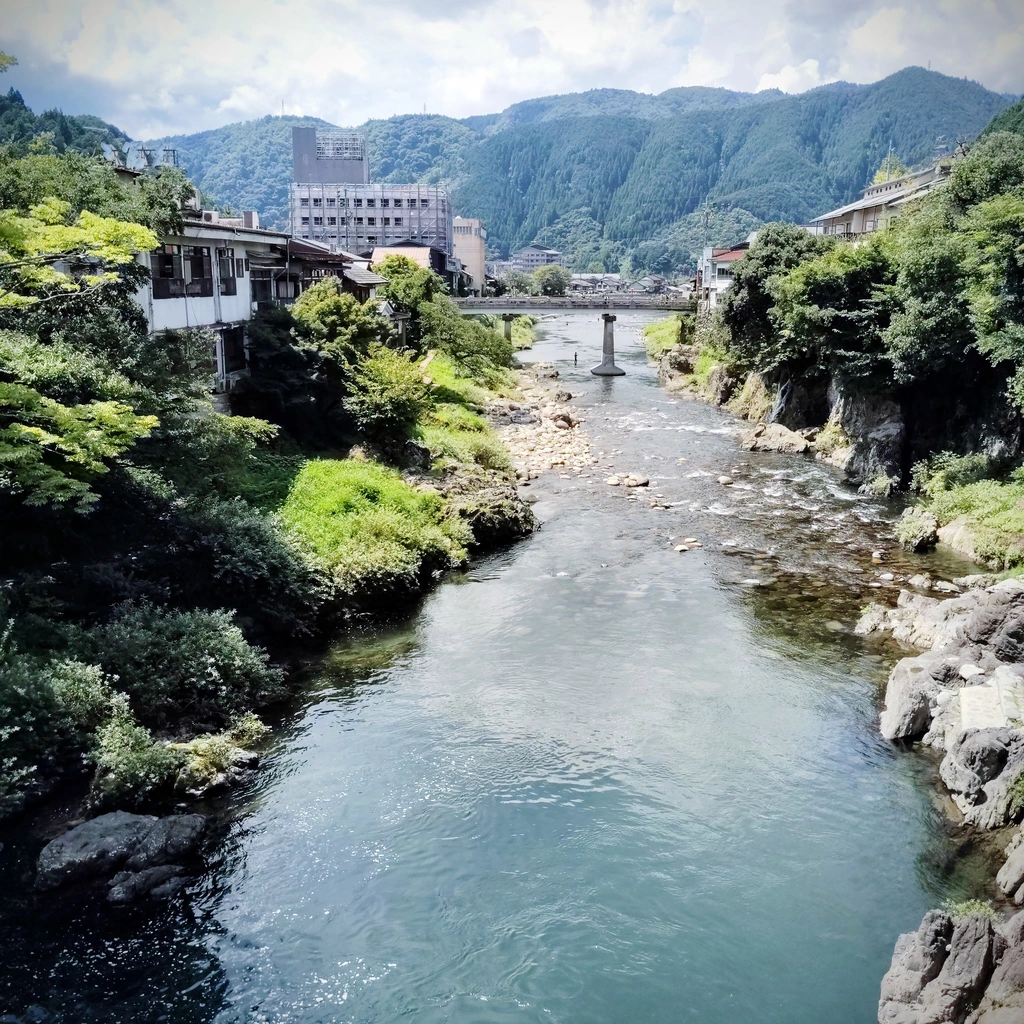
Gujo Hachiman is best known for its clear mountain water - flowing through canals, under bridges, and past wooden homes. The sound of water is everywhere. Locals still use the waterways for rinsing vegetables, cooling drinks, and even daily chores. Overlooking the town is Gujo Hachiman Castle, rebuilt in wood atop a forested hill. While not large, its views over the tiled rooftops and winding rivers below have earned it comparisons to a "castle in the sky."
Festivals & Craft Traditions
Every summer, Gujo comes alive with Gujo Odori, a centuries-old dance festival that runs for over 30 nights - some until sunrise. Visitors are welcome to join in, dancing alongside locals in yukata to the beat of taiko drums and shamisen. The town is also famous as the birthplace of Japan's plastic food samples, and several workshops let you try making your own fake tempura or desserts.
Streetscapes & Local Temples
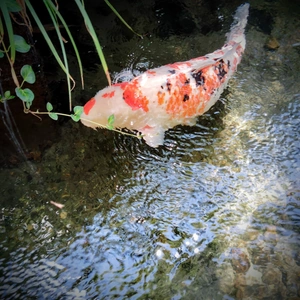
Wandering Gujo Hachiman feels like stepping into a quieter version of Kyoto. Cobbled streets, koi-filled canals, and mossy temple grounds create a calm, storybook-like setting. Spots like Jionzen-ji Temple and Sogi Spring reflect the town's blend of everyday life and quiet spirituality. The preserved town center invites slow walking, with small museums and family-run shops tucked into old merchant homes.
Food & Regional Specialties
Local flavors include grilled river fish (ayu), goheimochi rice skewers with miso glaze, handmade soba, and matcha sweets served near the springs. Several cafes and ryokan still serve meals with water drawn straight from the local wells. Gujo is also known for craft beer and small-batch treats, often sold directly by the people who made them.
A Gentle Escape from the Crowds
Though reachable from Nagoya in about 90 minutes, Gujo Hachiman still feels off the usual circuit. It's popular with domestic travelers but less known abroad, and that low-key vibe is part of its appeal. Whether you're drawn by the dancing, the water, or just the rhythm of small-town life, it's a place that encourages slowing down.
Getting to Gujo Hachiman
Gujo Hachiman is accessible by both train and highway bus, typically via Nagoya or Gifu. It takes a bit more effort than visiting a major city, but that's exactly what keeps it peaceful.
From Nagoya
The highway bus is the most straightforward option - around 1.5 to 2 hours, with regular departures from the Meitetsu Bus Center. Most buses stop near the town center at Jokamachi Plaza or Gujo Hachiman Inter.
If you prefer rail, take the JR Takayama Line to Mino-Ota Station (about 1 hour), then transfer to the slower, scenic Nagaragawa Railway, which takes about 1.5 hours to reach Gujo Hachiman Station. From there, it's a 20-minute walk or quick local bus into town.
Total time: about 2.5 to 3 hours.
From Gifu
From Gifu Station, the trip takes about 2.5 to 3 hours by train (via Mino-Ota and Nagaragawa Railway).
Alternatively, a direct highway bus takes around 1.5 hours and drops you closer to the old town.
From Kyoto / Osaka
Take the Tokaido Shinkansen to Nagoya (35–50 minutes), then follow the Nagoya route by bus or train.
Total travel time: around 3 to 4 hours, depending on connections.
From Takayama
By train, it's about 2 to 2.5 hours via the JR Takayama Line and Nagaragawa Railway. By car, it's a scenic 1.5-hour drive through the mountains.
If Gujo Hachiman is part of a two- or three-day ride-and-bike trip, there's no need to arrive early in the morning. You can take your time - the pace here is relaxed. Arriving in the afternoon still gives you plenty of time to explore the town, enjoy the rivers and small streets, and settle in before riding deeper into the countryside the next day.
Not sure which route is best for you? Feel free to contact me with where you're starting
from and when you're traveling - I'm happy to help.